
Best Mist Collector for CNC Machining: Industrial Air Purification Guide
Industrial manufacturing environments require precise air quality management to maintain operational efficiency and worker safety. Modern CNC machining processes generate fine particulate matter and aerosolized coolants that compromise respiratory health and equipment longevity. Facilities that implement advanced filtration systems consistently report improved compliance rates and reduced maintenance downtime. This guide examines the technical requirements for selecting the optimal mist collector for CNC machining operations.
Understanding CNC Mist Generation
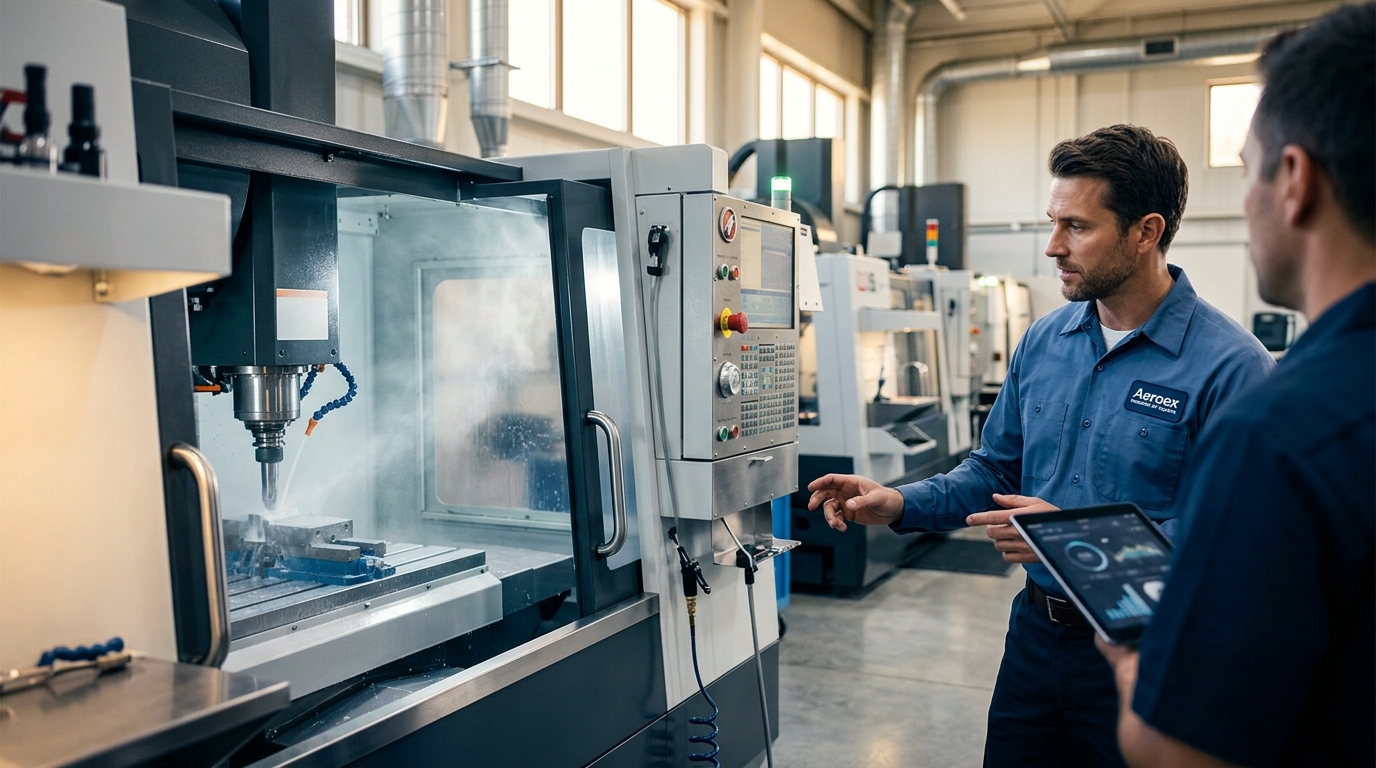
Metalworking operations produce airborne contaminants through high-speed tool rotation and continuous coolant application. These aerosols contain oil-based particulates and synthetic chemical compounds that remain suspended in workshop environments. CNC mist collector is a specialized air purification device designed to capture and remove these hazardous airborne particles before they circulate through facility ventilation systems. Manufacturing engineers must evaluate particle size distribution to determine the appropriate filtration stage. Fine droplets often measure below five microns in diameter. These microscopic particles bypass standard HVAC filters and settle on machinery components. Facilities that ignore particulate management face increased equipment corrosion and elevated worker exposure risks. Proper system sizing prevents airflow stagnation and ensures consistent capture velocity across all machining stations.
Core Filtration Technologies
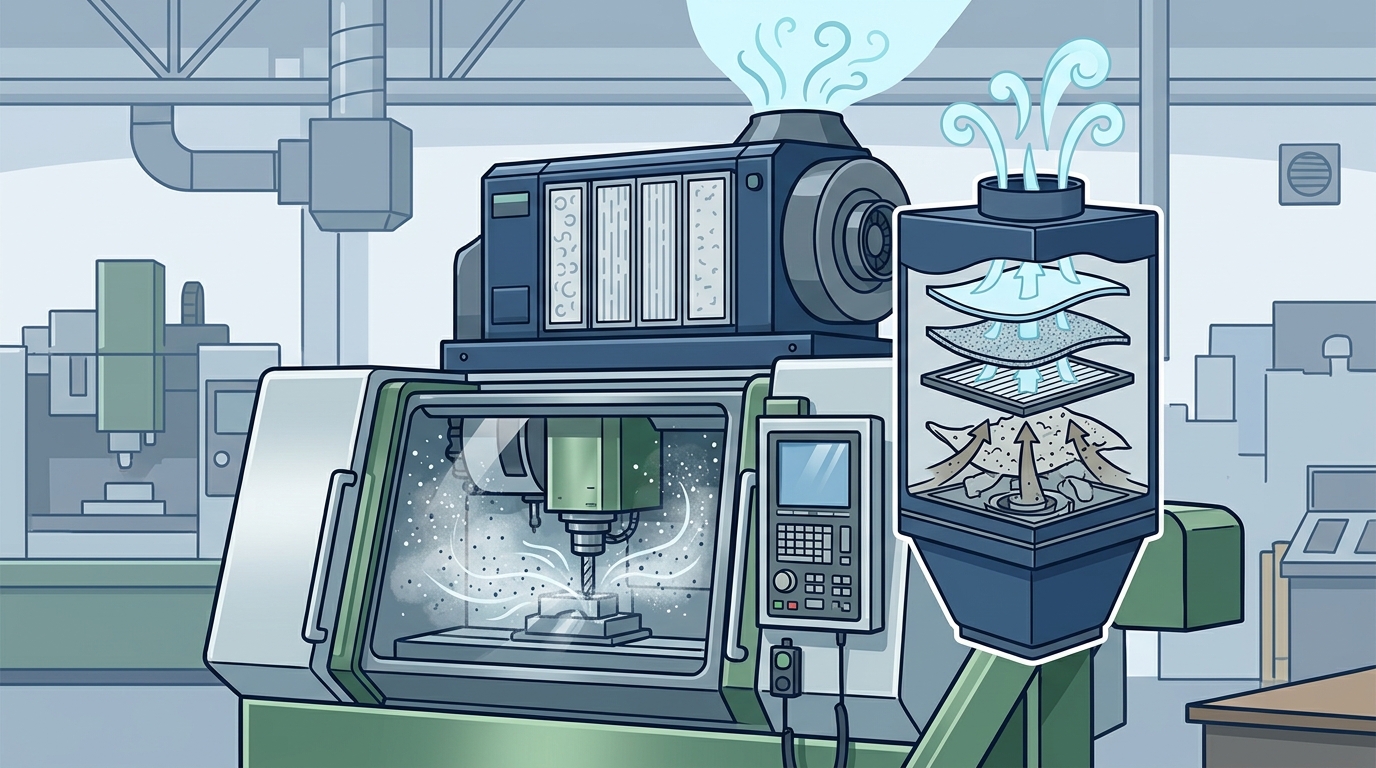
Industrial air purification relies on multi-stage separation processes to achieve maximum particulate removal. The initial stage utilizes centrifugal force to separate larger droplets from the primary airflow. Secondary filtration employs specialized media to capture residual aerosols and fine particulate matter. Electrostatic precipitation is an advanced separation method that charges airborne particles to attract them onto collection plates. This technology delivers exceptional capture rates for sub-micron contaminants without excessive pressure drop. Manufacturers must verify media compatibility with synthetic coolants to prevent premature degradation. Regular inspection cycles prevent clogging and maintain consistent airflow performance. Facilities operating continuous production shifts require redundant filtration stages to prevent system overload. Proper media selection directly impacts long-term operational costs and replacement frequency.
System Capacity and Airflow Metrics
Calculating the required airflow capacity demands precise measurement of workspace volume and machine exhaust rates. Engineering teams must account for ceiling height, room dimensions, and existing ventilation infrastructure. Air exchange rate is the standardized measurement indicating how many times facility air is completely replaced within one hour. Optimal machining environments require between six and twelve complete air exchanges per hour. Systems that undersize airflow capacity fail to maintain negative pressure zones around active machining stations. Oversized units increase energy consumption and generate unnecessary operational noise. Modern variable frequency drives allow operators to adjust motor speed based on real-time particulate load. This adaptive technology reduces power consumption during low-production periods while maintaining peak extraction during heavy machining cycles. Proper ductwork routing minimizes friction loss and preserves static pressure throughout the distribution network.
Installation and Maintenance Requirements
Professional installation protocols ensure optimal system performance and regulatory compliance. Certified technicians must verify structural mounting points and electrical connections before commissioning. Preventive maintenance schedule is the documented procedure outlining routine inspection tasks, media replacement intervals, and performance testing requirements. Facilities should conduct quarterly airflow velocity measurements to verify capture efficiency. Monthly visual inspections identify media degradation and housing corrosion. Annual professional servicing validates motor performance and control system calibration. Proper documentation tracking simplifies regulatory audits and warranty claims. Operators must follow manufacturer guidelines for chemical compatibility to prevent media breakdown. Facilities that neglect routine maintenance experience rapid efficiency decline and increased energy consumption. Scheduled servicing extends equipment lifespan and preserves warranty coverage.
Comparing Top Industrial Solutions
Selecting the appropriate filtration system requires evaluating operational requirements against available product specifications. Engineering teams must compare airflow capacity, filtration stage count, and energy consumption metrics. The following matrix outlines the primary industrial options available for CNC machining environments.
| System Category | Primary Application | Filtration Stages | Recommended Facility Size | Link to Details |
|---|---|---|---|---|
| Maverick Series | Heavy-duty metalworking | Three-stage separation | Large manufacturing floors | Maverick Series |
| Mist-Fit Unit | Compact machining cells | Two-stage filtration | Small workshop environments | Mist-Fit Unit |
| Blow Box System | Targeted workstation extraction | Single-stage collection | Individual machine stations | Blow Box System |
| Air-Fit Configuration | Flexible ducted networks | Multi-zone distribution | Multi-machine production lines | Air-Fit Configuration |
| IRIS Module | Cleanroom integration | HEPA-grade filtration | Precision inspection areas | IRIS Module |
Each configuration addresses distinct operational requirements and spatial constraints. Engineering teams should request technical specifications before finalizing procurement decisions. Custom ductwork routing ensures optimal airflow distribution across complex facility layouts. Professional site assessments identify optimal mounting locations and electrical requirements. Facilities operating multiple machining centers benefit from centralized collection networks. Decentralized systems provide targeted extraction for isolated workstations. Both approaches require careful engineering planning to prevent airflow imbalance. Proper system selection reduces long-term operational costs and improves regulatory compliance.
Key Takeaways
- Modern CNC machining generates sub-micron aerosols that require specialized multi-stage filtration.
- Optimal facility environments require six to twelve complete air exchanges per hour.
- Electrostatic precipitation delivers exceptional capture rates for fine particulate matter.
- Variable frequency drives reduce energy consumption during low-production periods.
- Quarterly airflow velocity measurements verify ongoing capture efficiency.
- Preventive maintenance schedules extend equipment lifespan and preserve warranty coverage.
- Custom ductwork routing ensures optimal airflow distribution across complex facility layouts.
Frequently Asked Questions
How do I calculate the required airflow capacity for my facility?
Engineers must measure total workspace volume and multiply it by the recommended air exchange rate. Most machining environments require six to twelve complete air exchanges per hour. This calculation determines the minimum cubic feet per minute rating for your selected system.
Can existing HVAC systems handle CNC machining particulates?
Standard commercial ventilation systems lack the specialized filtration stages required for metalworking aerosols. Dedicated extraction units prevent particulate recirculation and protect sensitive electronic components. Facilities should never rely on general HVAC infrastructure for machining-specific air quality management.
What is the typical lifespan of industrial filtration media?
High-quality synthetic media typically lasts between twelve and twenty-four months depending on operational intensity. Facilities operating continuous production shifts experience accelerated media degradation. Regular inspection cycles prevent clogging and maintain consistent airflow performance.
Do electrostatic precipitators require specialized electrical infrastructure?
Modern electrostatic systems operate on standard industrial power distributions without specialized transformers. These units require routine cleaning protocols to maintain collection plate efficiency. Proper maintenance schedules prevent arcing and ensure consistent particulate capture rates.
How do I verify regulatory compliance for my filtration system?
Facilities must maintain detailed operational logs and quarterly performance testing documentation. Certified technicians validate capture velocity and pressure drop measurements during annual inspections. Proper documentation simplifies regulatory audits and warranty claims processing.
What maintenance frequency is recommended for heavy machining operations?
Continuous production environments require monthly visual inspections and quarterly airflow velocity measurements. Annual professional servicing validates motor performance and control system calibration. Facilities that neglect routine maintenance experience rapid efficiency decline and increased energy consumption.
Can multiple machines connect to a single collection unit?
Centralized collection networks efficiently serve multiple machining stations through engineered ductwork routing. Proper static pressure calculations prevent airflow imbalance across connected workstations. Engineering teams must verify total duct length and fitting count before finalizing system design.
Next Steps
Selecting the optimal air purification system requires professional site assessment and precise engineering calculations. Our technical team provides comprehensive facility evaluations and custom system design services. Contact our engineering specialists to schedule a site visit and receive a detailed technical proposal. Visit our Contact Page to request a consultation. Explore our complete product catalog at aeroex.com to review technical specifications. Review our installation gallery at Installation Gallery to view real-world project implementations. Schedule your facility assessment today and optimize your machining environment.