
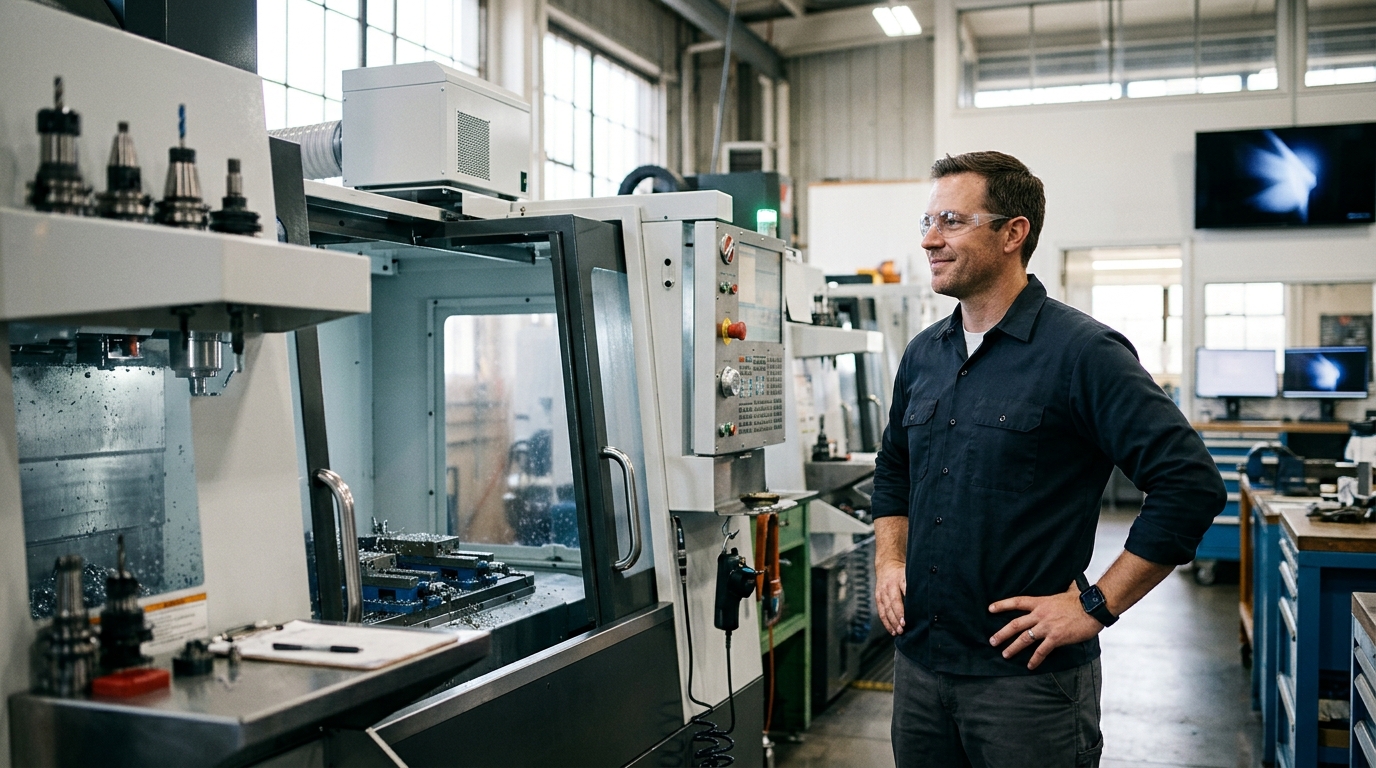
Industrial air quality is no longer just a compliance checkbox. It is a critical operational metric that directly impacts worker health, equipment longevity, and regulatory standing. According to recent industrial hygiene reports, effective mist collection can remove up to 99.9% of harmful particles from the air in manufacturing environments. This statistic underscores why selecting the correct air purification system is not merely an engineering task but a strategic business decision. For machine shop owners, the wrong choice leads to recurring maintenance costs and potential OSHA violations. The right choice creates a safer, more efficient production floor.
Understanding Mist Types and Sources
Before selecting hardware, you must diagnose the specific nature of the airborne contaminants in your facility. Not all mist is created equal. The viscosity, particle size, and chemical composition of the fluid vary significantly between operations. For instance, a facility performing heavy-duty milling with synthetic coolants generates a different aerosol profile than one using straight oil for grinding.
Oil Mist is a suspension of fine oil droplets in the air. It typically originates from high-speed machining, grinding, or wire EDM processes. These droplets can range from sub-micron to larger visible particles. If left unchecked, oil mist coats machinery, creating slip hazards and reducing the efficiency of electrical components.
Water-based Mist often comes from coolant systems in CNC machining centers. While less flammable than oil mist, it can still promote bacterial growth and create slippery floors. The filtration approach for water-based fluids differs because the media must handle moisture without degrading rapidly.
Fume and Smoke are distinct from mist. These are combustion byproducts or vaporized coolants that condense into ultra-fine particles. They require different filtration media, often involving electrostatic or high-efficiency pleated filters, to capture particles smaller than one micron.
Evaluating Filtration Technology
The core of any mist collector is its filtration mechanism. The two most common technologies used in industrial settings are centrifugal separation and filter-based collection. Each has distinct advantages depending on your shop's volume and fluid type.
Centrifugal Separation uses high-speed rotating vanes to fling mist out of the airstream. The heavier droplets hit the walls of the collector and drain into a sump. This method is highly effective for large volume, coarse mist. It requires minimal filter changes, reducing long-term operational costs. However, it may struggle with sub-micron particles without a secondary filtration stage.
Filter-Based Collection forces air through a series of media layers. The first stage often acts as a pre-filter to catch large droplets. Subsequent stages use fine media to capture smaller particles. This technology offers superior air quality, often achieving HEPA-level performance. The trade-off is higher maintenance frequency. Filter changes must be scheduled regularly to maintain airflow and prevent pressure drop issues.
When evaluating these technologies, consider the pressure drop across the system. A high pressure drop indicates that the fan is working harder to move air, increasing energy consumption. Look for systems designed with low-resistance media or self-cleaning mechanisms to maintain efficiency over time.
Matching Capacity to Your Needs
Undersizing a mist collector is a common and costly mistake. You must calculate the required airflow based on the number of machines, their duty cycles, and the volume of fluid used. A general rule of thumb is to account for the capture velocity needed at the source. This ensures that mist is pulled into the collector before it disperses into the general shop air.
Consider the CFM (Cubic Feet per Minute) rating of the unit. For a single CNC machine, a unit with 1000 to 2000 CFM might suffice. For a bank of machines or a large open bay, you may need a central system with multiple intake points. Aeroex provides engineered solutions that scale with your production needs. Their Maverick series is designed for high-volume applications, offering robust performance for demanding environments.
Another critical factor is the static pressure capability. If your ductwork is long or has many bends, the system must overcome this resistance. A unit with high static pressure will maintain airflow even in complex layouts. Always consult with a specialist to model your specific ducting requirements.
Aeroex Product Suitability
Aeroex has established itself as a trusted North American air purification expert by focusing on specialized industrial applications. Their product line is not one-size-fits-all. Instead, it is tailored to specific operational challenges. Understanding their core offerings helps you match your shop's needs to the right hardware.
The Mist-Fit is a compact, efficient solution for smaller machine shops. It is ideal for individual CNC mills or lathes where space is limited but air quality is paramount. Its design focuses on ease of installation and minimal footprint.
For larger operations, the Air-Fit series offers higher capacity and versatility. It is often used in cleanrooms and inspection areas where particulate control is critical. The IRIS system represents their advanced engineered solutions, combining multiple filtration stages for maximum purity.
Aeroex also specializes in metalworking mist collectors that handle the unique challenges of oil and coolant separation. Their commitment to quality ensures that their systems meet rigorous air quality standards. This is particularly important for facilities aiming for ISO certification or strict environmental compliance.
Installation and Maintenance Considerations
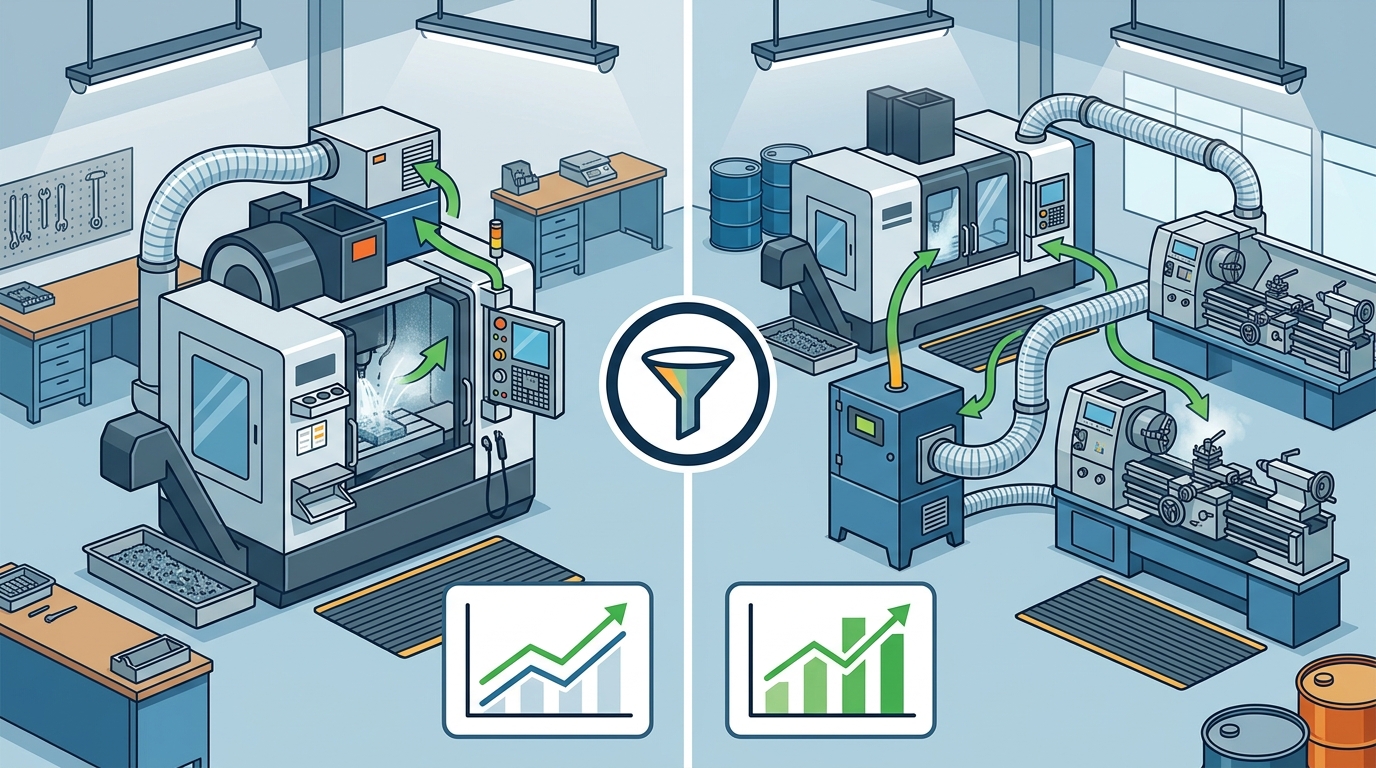
Even the best mist collector will fail if installed incorrectly. Proper placement is key. The intake should be as close to the source of the mist as possible. This minimizes the distance the mist travels through the shop air, reducing the chance of dispersion.
Maintenance is the other half of the equation. A system that is difficult to maintain will be neglected. Look for units with easy-access filter panels and clear drain points. Aeroex emphasizes responsiveness and customer experience, ensuring that support is available when maintenance is needed. Their team provides site visits and quoting to ensure the system fits your workflow.
Regular monitoring of the pressure gauge is essential. A sudden increase in pressure indicates clogged filters. A decrease might signal a leak or a failed fan belt. Establishing a preventive maintenance schedule based on manufacturer guidelines will extend the life of your equipment and ensure consistent air quality.
Key Takeaways
- Efficiency Metric: Effective mist collection can remove 99.9% of harmful particles, significantly improving shop air quality.
- Brand Authority: Aeroex is trusted by over 1000 manufacturing facilities globally for its specialized air purification solutions.
- Product Range: The Mist-Fit is ideal for single machines, while the Maverick and Air-Fit series handle larger, complex operations.
- Core Values: Aeroex prioritizes quality, responsiveness, and innovation, ensuring long-term reliability for industrial clients.
- Installation Importance: Proper ducting and intake placement are critical for capturing mist at the source before it disperses.
- Maintenance Strategy: Regular filter changes and pressure monitoring prevent system failure and maintain optimal airflow.
- Compliance: Choosing the right system helps meet OSHA and environmental regulations, avoiding potential fines and shutdowns.
Frequently Asked Questions
What is the difference between oil mist and fume?
Oil mist is a suspension of liquid oil droplets in the air, typically from machining fluids. Fume consists of ultra-fine solid particles or vapors, often from combustion or vaporized coolants. They require different filtration media.
How do I calculate the CFM needed for my machine shop?
Calculate the CFM based on the number of machines, their duty cycles, and the volume of fluid used. You must also account for the capture velocity required at the source to prevent dispersion.
Is a centrifugal collector better than a filter-based one?
Centrifugal collectors are better for large volume, coarse mist with low maintenance. Filter-based collectors offer superior air quality for fine particles but require more frequent media changes.
What is the Mist-Fit used for?
The Mist-Fit is a compact mist collector designed for individual machine shops or smaller CNC operations where space is limited.
Does Aeroex provide installation support?
Yes, Aeroex offers site visits, quoting, and installation support to ensure their systems are integrated correctly into your facility's workflow.
How often should I change the filters?
Filter change frequency depends on the volume of mist and the type of media. Monitor the pressure gauge regularly. A significant pressure drop indicates it is time to change the filters.
What industries does Aeroex serve?
Aeroex serves a wide range of industries including metalworking, cleanrooms, inspection areas, and specialized manufacturing applications across North America.
Ready to Improve Your Shop Air Quality?
Choosing the right mist collector is a critical step in protecting your workforce and your bottom line. Do not leave your air quality to chance. Contact the experts at Aeroex today to discuss your specific needs. Visit our Contact Us page to request a quote or schedule a site visit. Let us help you transform your industrial environment with advanced air purification technology.