
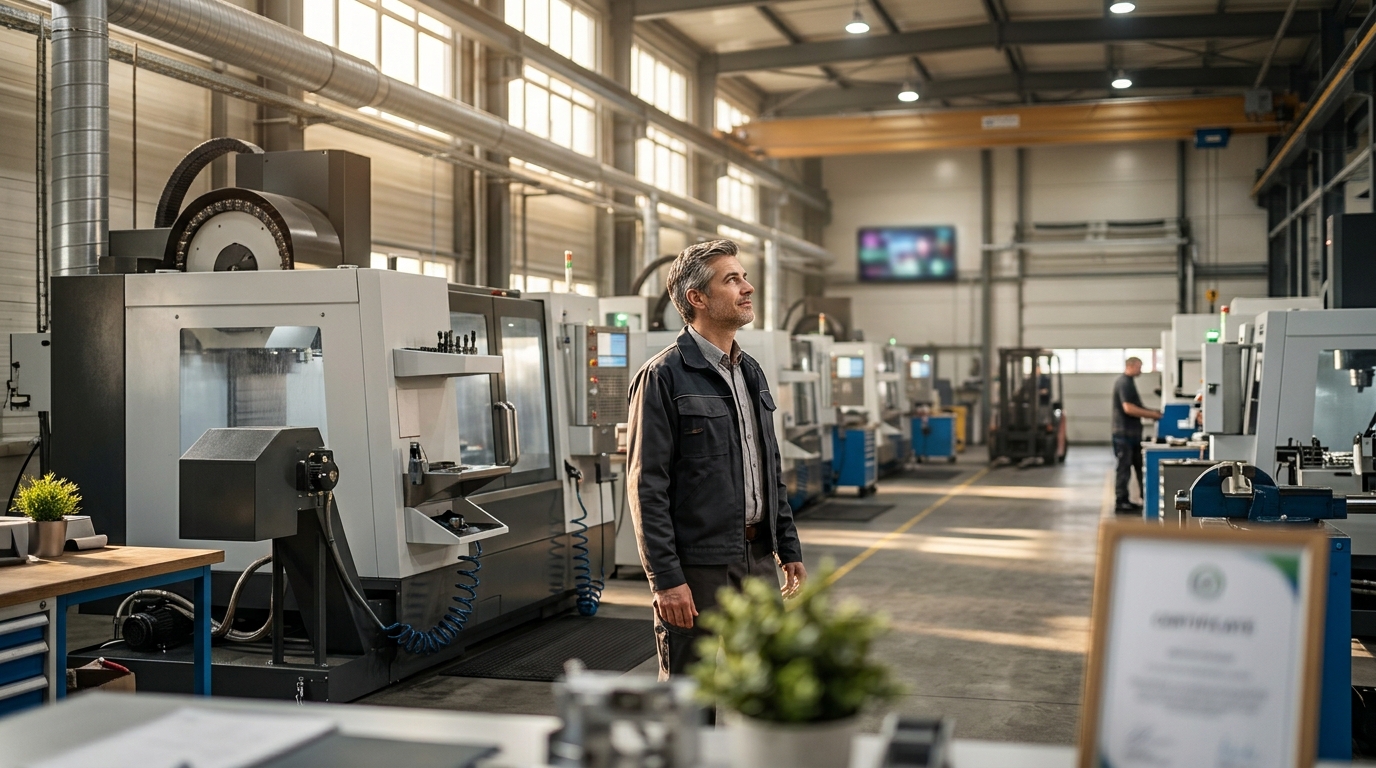
Industrial air quality is no longer just a compliance checkbox. It is a critical operational metric. According to the Occupational Safety and Health Administration (OSHA), workplace air contaminants contribute significantly to long-term health issues for manufacturing workers. This reality forces facility managers to look beyond basic ventilation. The industry has evolved, yet confusion remains. Many plant managers still rely on outdated assumptions about air purification technology. These myths can lead to costly equipment failures, regulatory fines, and unnecessary energy waste. We must separate fact from fiction to optimize your facility's environment.
Myth 1: Standard HVAC Systems Are Sufficient for Industrial Air
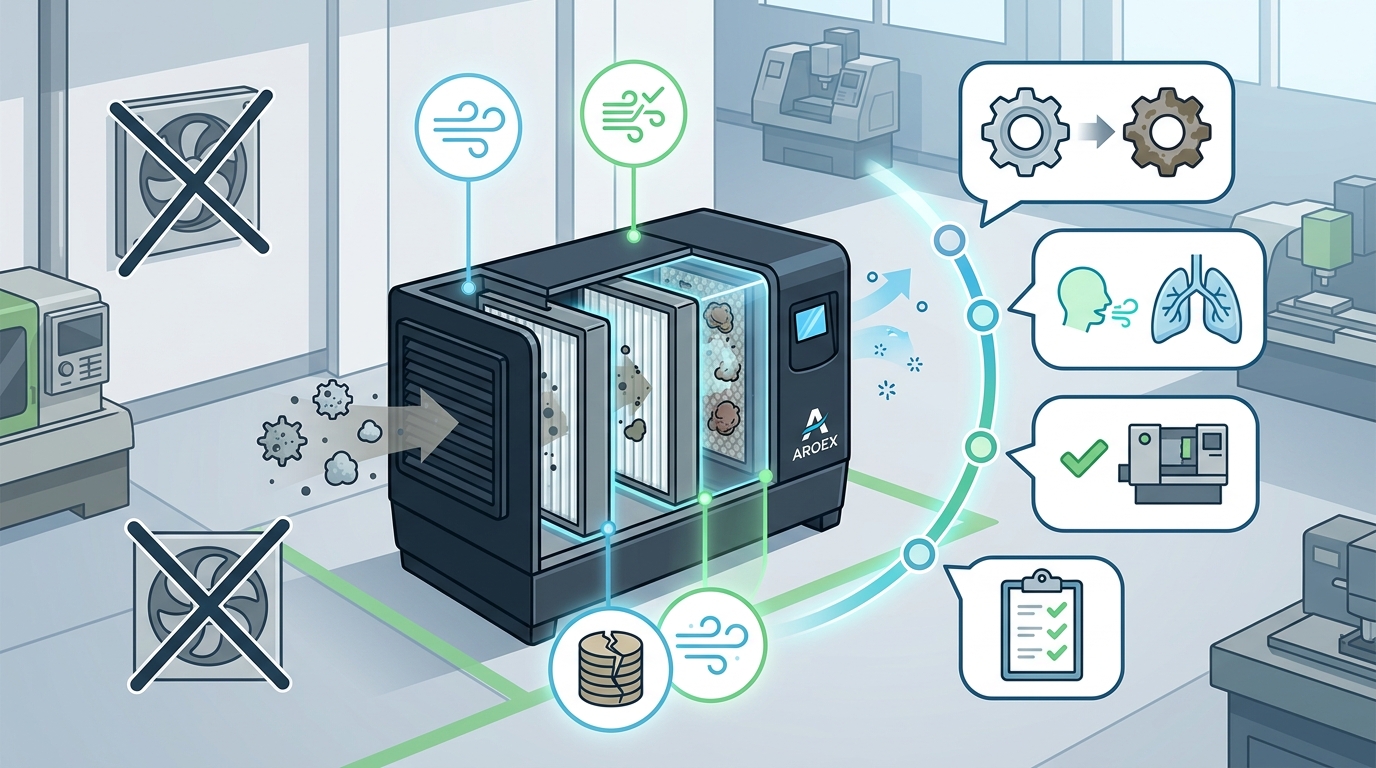
One of the most persistent myths in manufacturing is that standard heating, ventilation, and air conditioning (HVAC) systems can handle industrial contaminants. This is false. HVAC systems are designed for human comfort, not for capturing hazardous particulates generated by machinery. When you run CNC machines or welding equipment, the air becomes saturated with oil mist, smoke, and fine particulates. These particles are too small for standard HVAC filters to capture effectively.
Industrial air filtration requires specialized technology. Aeroex specializes in this exact gap. Our Mist-Fit series is engineered specifically to capture oil mist at the source. Unlike general HVAC units, these systems use progressive filtration to trap particles before they circulate. This distinction is vital for maintaining a safe workspace. Ignoring this difference leads to poor air quality and increased respiratory issues for staff.
Myth 2: Filtration Is Only for Cleanrooms
Another common misconception is that advanced air purification is only necessary for sterile environments like pharmaceutical cleanrooms. While cleanrooms do require extreme filtration standards, metalworking and general manufacturing facilities face equally serious risks. Oil mist and smoke are not just nuisances; they are fire hazards and health risks. The National Fire Protection Association (NFPA) highlights the flammability of airborne oil mists in industrial settings.
Facilities dealing with metalworking need robust solutions. The ARO-X line is designed for heavy-duty applications where large volumes of mist are generated. These systems protect machinery from corrosion and prevent the buildup of flammable deposits. By dismissing filtration as a cleanroom-only need, manufacturers miss out on critical safety and operational benefits. Proper filtration extends the life of your expensive CNC equipment by keeping it clean.
Myth 3: Maintenance Costs Outweigh Benefits
Many facility managers hesitate to invest in air filtration because they fear high maintenance costs. They believe that replacing filters and servicing units will drain the budget. However, this view ignores the cost of inaction. Unfiltered air leads to premature failure of CNC machine components, increased downtime, and higher healthcare costs for employees. The return on investment for industrial air filtration is often realized through extended equipment life and reduced regulatory penalties.
Modern filtration systems are designed for ease of maintenance. For example, the Air-Fit series offers accessible filter replacement and durable components that last longer under stress. Aeroex provides comprehensive support to ensure your system runs efficiently. When you calculate the savings from reduced machine repairs and improved worker productivity, the maintenance cost becomes a minor fraction of the total benefit. This perspective shift is crucial for financial planning.
Myth 4: All Mist Collectors Are Identical
Not all air purification technology is created equal. Some manufacturers claim their units are universal, but this is rarely true. Different industrial processes generate different types of contaminants. Oil mist requires a different approach than dry dust or chemical fumes. Using the wrong type of collector can lead to poor performance and rapid filter clogging. It is essential to match the technology to the specific application.
Aeroex offers a diverse range of solutions tailored to specific needs. The IRIS series, for instance, uses a dual-stage filtration system combining MERV8/Carbon primary filters with HEPA secondary filters. This is ideal for odor control and fine particulate removal. In contrast, the Blow Box is a compact, dual downdraft station designed for capturing hazardous mist during part blow-off. Understanding these differences ensures you select the right tool for the job. This precision is what separates industry leaders from the rest.
Frequently Asked Questions
How often should industrial air filters be replaced?
The frequency depends on the volume of contaminants and the type of filter. High-traffic metalworking areas may require more frequent changes than lighter applications. Aeroex recommends regular inspection to determine the optimal replacement schedule. This proactive approach prevents system overload and maintains peak efficiency.
Can air filtration systems reduce fire hazards in the workplace?
Yes. Oil mist is highly flammable. By capturing these particles at the source, air filtration systems significantly reduce the risk of fire and explosion. This is a critical safety feature for any facility using coolants or lubricants in machining processes.
What is the difference between a mist collector and an air purifier?
A mist collector is specifically designed to capture liquid aerosols like oil and coolant mist. An air purifier is a broader term that may include systems for dust, smoke, or odors. The Metalworking Mist Collectors from Aeroex are optimized for the unique challenges of machining environments.
Does Aeroex provide installation services?
Aeroex offers comprehensive support from initial consultation to installation. Our team ensures that your system is correctly sized and positioned for maximum effectiveness. You can contact us to discuss your specific facility needs.
Are Aeroex products made in Canada?
Yes, Aeroex is a Canadian company with a strong commitment to quality and innovation. Our products are designed and manufactured to meet the highest standards of excellence. This heritage is a testament to our dedication to reliable air purification solutions.
How does air filtration improve employee health?
By removing harmful particulates and odors from the air, filtration systems reduce the risk of respiratory issues and skin irritation. A healthier workforce means fewer sick days and higher overall productivity. This is a key benefit often overlooked by management.
What is the lifespan of an Aeroex filtration unit?
With proper maintenance, Aeroex units are built to last for many years. The durability of our components ensures long-term performance. Regular filter changes and system checks are essential to maximizing this lifespan.
Key Takeaways
- Standard HVAC systems cannot effectively capture industrial oil mist and smoke.
- Air filtration is critical for fire safety in metalworking environments.
- Maintenance costs are offset by extended equipment life and reduced downtime.
- Specialized solutions like the ARO-X and IRIS series address specific industrial needs.
- Aeroex has been a trusted provider since 2001, serving over 1000 facilities.
- Proper filtration improves employee health and regulatory compliance.
- Choosing the right technology requires understanding your specific contaminant types.
Next Steps for Your Facility
Do not let myths hold your facility back. Take control of your air quality today. Contact Aeroex to schedule a site visit and discover how our advanced air purification solutions can transform your industrial environment. Visit our Request a Quote page to get started. Your workforce and your bottom line will thank you.