
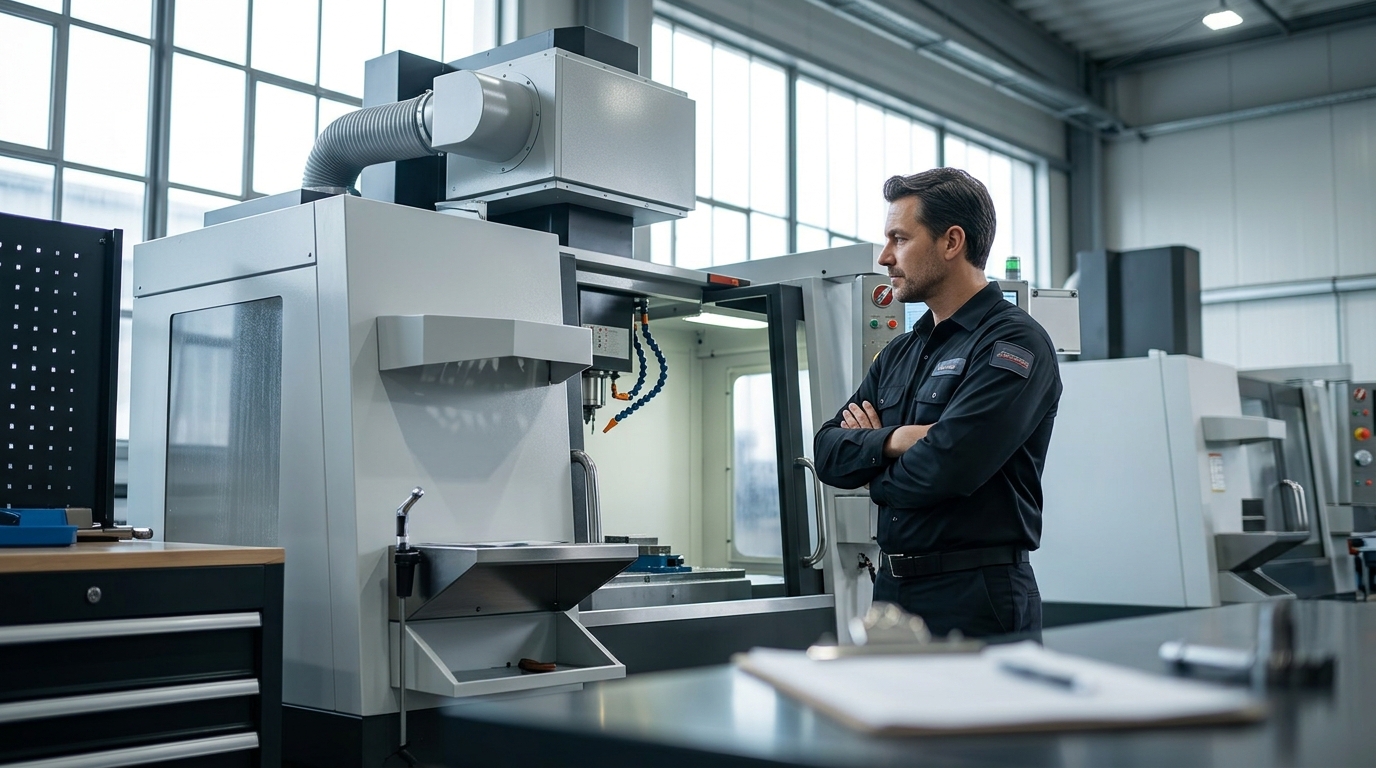
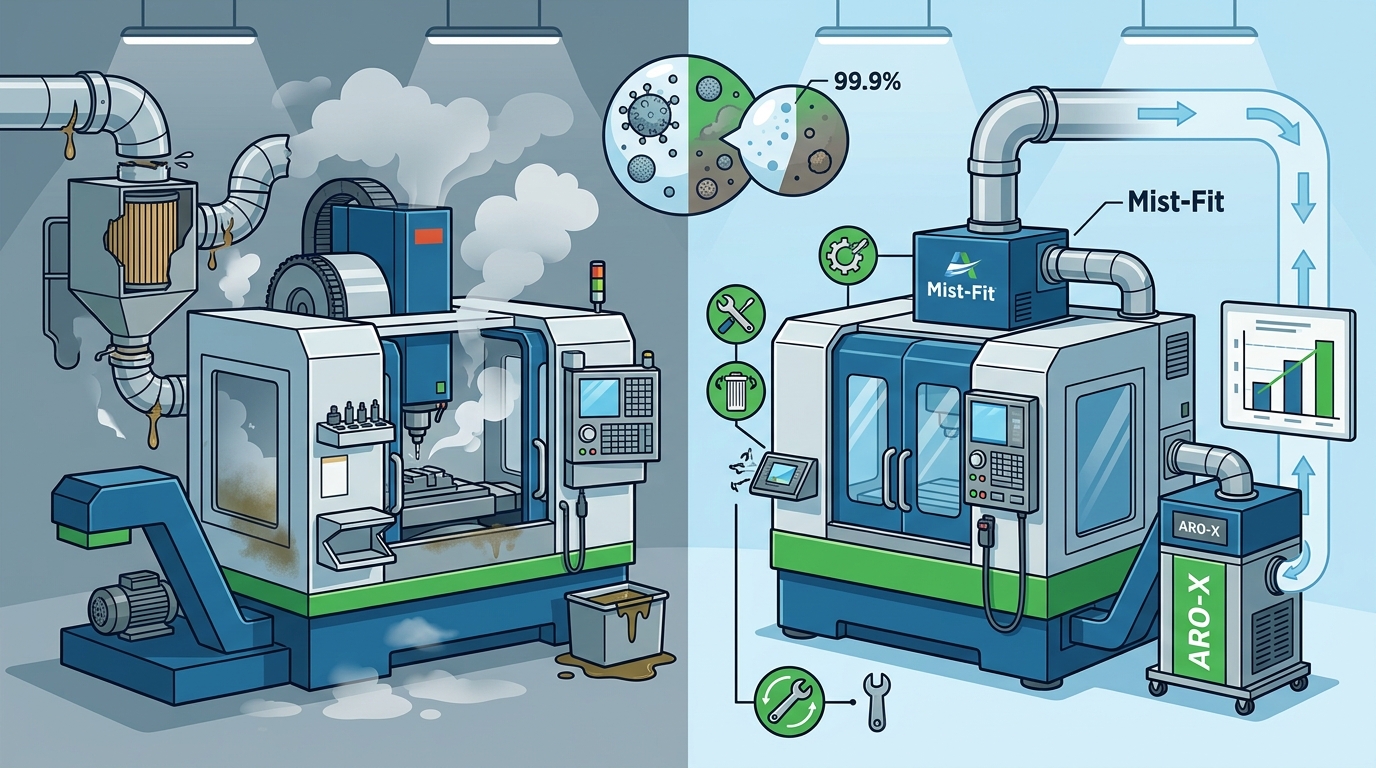
Industrial air quality is not just a compliance checkbox; it is a critical operational asset. According to recent industry data, effective air purification systems can remove 99.9% of harmful particles from manufacturing environments, directly impacting both worker health and equipment longevity. However, many machine shops fail to realize the full potential of their filtration infrastructure due to preventable operational errors. These mistakes often lead to increased maintenance costs, reduced filtration efficiency, and potential regulatory violations. By understanding the common pitfalls in mist collector management, facility managers can optimize their systems for peak performance and ensure a safer workplace.
1. Ignoring the Importance of Multi-Stage Filtration
One of the most frequent errors in machine shop air management is relying on single-stage filtration for complex applications. HEPA filtration is a high-efficiency particulate air filtration method that captures 99.97% of particles at 0.3 microns. Without a pre-filter stage, the primary HEPA or carbon filter becomes clogged rapidly with larger debris, leading to premature failure and higher operational costs.
Aeroex addresses this by integrating dual-stage systems like the IRIS series, which combines a MERV8/Carbon primary filter with a HEPA secondary filter. This approach ensures that heavy particulates are caught first, allowing the secondary filter to handle odor and fine mist control effectively. Shops that skip this stage often find themselves replacing expensive filters far more frequently than necessary.
2. Misjudging Airflow and CFM Requirements
Underestimating the cubic feet per minute (CFM) needed for a specific machine is a critical design flaw. If the airflow is too low, mist will escape the capture zone and settle on machinery, creating slip hazards and contaminating finished parts. Conversely, excessive airflow can waste energy and create turbulence that disperses mist rather than capturing it.
Proper sizing requires a detailed analysis of the machine's volume, the type of coolant used, and the distance between the mist source and the collector inlet. For instance, the Mist-Fit series is engineered for compact designs with progressive filtration, making it ideal for smaller CNC machines where space is limited but airflow precision is vital. Always consult with air purification experts to calculate the exact CFM requirements for your specific setup.
3. Delaying Filter Replacement and Maintenance
Mist collectors are not "install and forget" devices. Neglecting regular maintenance is the leading cause of system failure in industrial environments. As filters load with oil mist and particulates, the static pressure increases, reducing the system's ability to pull air through the ductwork. This leads to a gradual decline in air quality that may go unnoticed until it becomes a severe health hazard.
Regular inspection of filter integrity and timely replacement are essential. Aeroex customers often report that installing Variable Frequency Drives (VFDs) helps extend filter life by adjusting motor speed based on real-time demand. For more insights on maintaining your system, visit our Resource Library for detailed maintenance guides and best practices.
4. Ignoring Variable Frequency Drive (VFD) Benefits
Many machine shops operate their mist collectors at full speed regardless of actual production needs. This is an inefficient use of energy and puts unnecessary wear on the motor and filters. A Variable Frequency Drive is an electronic device that controls the speed of an electric motor by varying the frequency of its power supply. By using a VFD, you can reduce motor speed during low-production periods, significantly lowering energy consumption and extending the lifespan of your filtration components.
Shops that have implemented VFDs on their Aeroex units, such as the ARO series, have noted substantial improvements in filter longevity and reduced operational noise. This technology allows for dynamic adjustment, ensuring that the system runs efficiently without compromising on air quality standards.
5. Poor Installation and Ductwork Design
The effectiveness of any mist collector is heavily dependent on its installation. Poorly designed ductwork with too many bends or restrictive elbows can drastically reduce airflow efficiency. Additionally, improper placement of the capture hood relative to the machine's mist source can allow contaminants to escape before they are filtered.
Professional installation ensures that the ductwork is optimized for smooth airflow and that the capture points are strategically located. Aeroex provides engineered solutions that include site visits and custom quoting to ensure that every installation meets the highest standards of performance. Proper installation also includes securing the unit to prevent vibration and noise issues, which are common complaints in poorly set up systems.
6. Choosing the Wrong Unit for the Application
Not all mist collectors are created equal. Using a standard industrial air purifier for a heavy-duty metalworking application will result in rapid system failure. Different applications require different filtration technologies. For example, oil mist collectors are specialized devices designed to separate oil droplets from the air using centrifugal force or filtration media. Using a unit without the appropriate separation technology will lead to oil carryover and contamination of the filtered air.
Aeroex offers a range of products tailored to specific needs, from the Maverick for general industrial use to the Blow Box for capturing hazardous mist during part blow-off. Understanding the specific nature of your mist, whether it is water-based or oil-based, is crucial for selecting the right equipment. For more information on our product lines, explore our Products page.
Comparing Mist Collector Options for Machine Shops
Selecting the right mist collector involves comparing key features and applications. The table below summarizes some of the primary options available for industrial environments.
| Product Series | Primary Application | Key Feature | Best For |
|---|---|---|---|
| Mist-Fit | Compact Mist Collection | Progressive Filtration | Small CNC Machines |
| ARO Series | General Industrial Air | High Efficiency | Large Floor Spaces |
| IRIS Series | Odor & Particulate Control | Dual-Stage (HEPA/Carbon) | Clean Rooms & Inspection |
| Blow Box | Part Blow-Off Capture | Dual Downdraft | Compressed Air Stations |
| Maverick | Heavy Duty Mist | High Capacity | Large Scale Manufacturing |
Key Takeaways
- Multi-Stage Filtration is Essential: Always use pre-filters to extend the life of HEPA and carbon filters.
- Proper Sizing Matters: Calculate CFM requirements based on machine volume and mist source distance.
- Maintenance is Critical: Regular filter replacement prevents static pressure buildup and maintains air quality.
- VFDs Save Energy: Variable Frequency Drives adjust motor speed to match production needs, reducing wear and energy costs.
- Professional Installation: Ensure ductwork is optimized for smooth airflow and proper capture hood placement.
- Match Unit to Application: Use specialized units like the Blow Box for specific tasks rather than generic purifiers.
- Trusted Expertise: Aeroex has been providing advanced air purification solutions since 2001, serving over 1000 manufacturing facilities globally.
Frequently Asked Questions
How often should I replace mist collector filters?
Filter replacement frequency depends on the volume of mist and the type of coolant used. Generally, pre-filters should be checked monthly, while HEPA and carbon filters may need replacement every 3 to 6 months. Regular monitoring of static pressure is the best indicator of when filters need changing.
What is the difference between an oil mist collector and an air purifier?
An oil mist collector is specifically designed to separate oil droplets from the air using centrifugal force or specialized filtration media. An air purifier typically focuses on removing particulates and odors but may not be effective at separating liquid oil, which can damage the unit.
Can I use a standard HVAC system for machine shop air filtration?
No, standard HVAC systems are not designed to handle the high volume of oil mist and particulates generated in machine shops. Using them can lead to rapid clogging, fire hazards, and poor air quality. Dedicated industrial mist collectors are required for safe and effective air management.
How does a VFD improve mist collector performance?
A Variable Frequency Drive allows the motor speed to be adjusted based on real-time airflow requirements. This reduces energy consumption during low-production periods and extends the life of the motor and filters by preventing unnecessary wear.
What is the IRIS series used for?
The IRIS series is designed for high-performance odor control and particulate filtration. It uses a dual-stage system with a MERV8/Carbon primary filter and a HEPA secondary filter, making it ideal for clean rooms and inspection areas where air purity is critical.
Does Aeroex offer custom engineering solutions?
Yes, Aeroex provides engineered solutions tailored to specific industrial environments. This includes site visits, custom quoting, and installation support to ensure optimal performance for your unique application.
How can I improve the efficiency of my current mist collector?
To improve efficiency, ensure that your ductwork is free of leaks and restrictions, check that capture hoods are properly positioned, and consider installing a VFD to optimize motor speed. Regular maintenance and timely filter replacement are also crucial for maintaining peak performance.
Ready to Optimize Your Machine Shop Air Quality?
Avoiding these common mistakes can significantly improve your machine shop's air quality, reduce operational costs, and ensure a safer working environment for your employees. Aeroex is committed to providing advanced air purification technology that meets the highest standards of excellence. Contact us today to discuss your specific needs and discover how our engineered solutions can transform your industrial environment.
Request a Quote or call us at 1-866-392-9222 to speak with an air purification expert.