
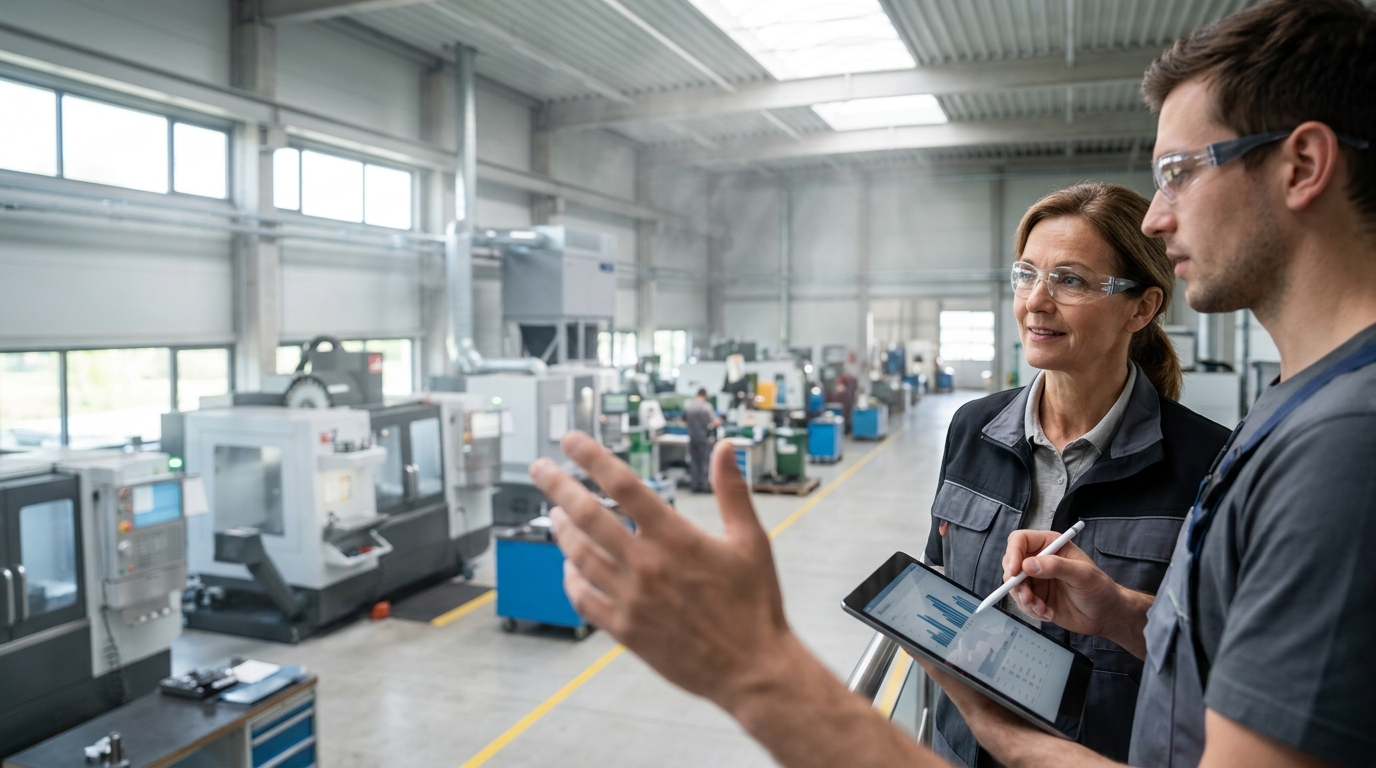
Industrial air quality is a critical component of modern manufacturing efficiency and worker safety. According to recent industry data, effective air filtration systems can remove up to 99.9% of harmful particles from the workplace environment. This statistic underscores the importance of selecting the right technology for your specific operational needs. Whether you are managing a CNC machine shop or a large-scale assembly line, the right air purification solution can significantly reduce maintenance costs and improve overall productivity. This guide will walk you through the essential steps to selecting the optimal industrial air filtration system for your facility. (Contact Aeroex Emission Control)
Understanding Industrial Air Filtration
Industrial air filtration is the process of removing contaminants from the air within a manufacturing environment. These contaminants can include oil mist, smoke, dust, and other hazardous particulates. The primary goal is to create a safe and healthy working environment while protecting machinery from damage caused by airborne debris. (Aeroex Trusted North American)
Aeroex is a leading provider of advanced air purification solutions for manufacturing facilities. With over two decades of experience, the company has established itself as a trusted partner for manufacturers across North America. Their commitment to quality and innovation is evident in their comprehensive range of products designed to meet the diverse needs of the industrial sector.
The evolution of air filtration technology has been driven by the need for more efficient and effective solutions. Early systems were often bulky and required frequent maintenance. Modern systems, however, are designed to be compact, energy-efficient, and easy to maintain. This shift has made it possible for manufacturers to achieve higher levels of air quality without compromising on operational efficiency.
Identifying Your Facility Needs
Before selecting an air filtration system, it is essential to conduct a thorough assessment of your facility's specific needs. This involves identifying the types of contaminants present, the volume of air that needs to be filtered, and the specific requirements of your manufacturing processes.
Assessing Contaminant Types
Different manufacturing processes generate different types of contaminants. For example, metalworking operations often produce oil mist and smoke, while welding operations generate fumes and particulates. Understanding the nature of these contaminants is crucial for selecting the appropriate filtration technology.
Oil mist is a common contaminant in metalworking environments. It can cause respiratory issues for workers and damage to machinery if not properly filtered. Effective oil mist collectors use specialized filters to capture and remove these particles from the air.
Determining Airflow Requirements
The volume of air that needs to be filtered depends on the size of your facility and the number of machines in operation. Larger facilities with multiple machines will require systems with higher airflow capacities. It is important to consult with air quality experts to determine the correct airflow requirements for your specific setup.
Evaluating Filtration Technologies
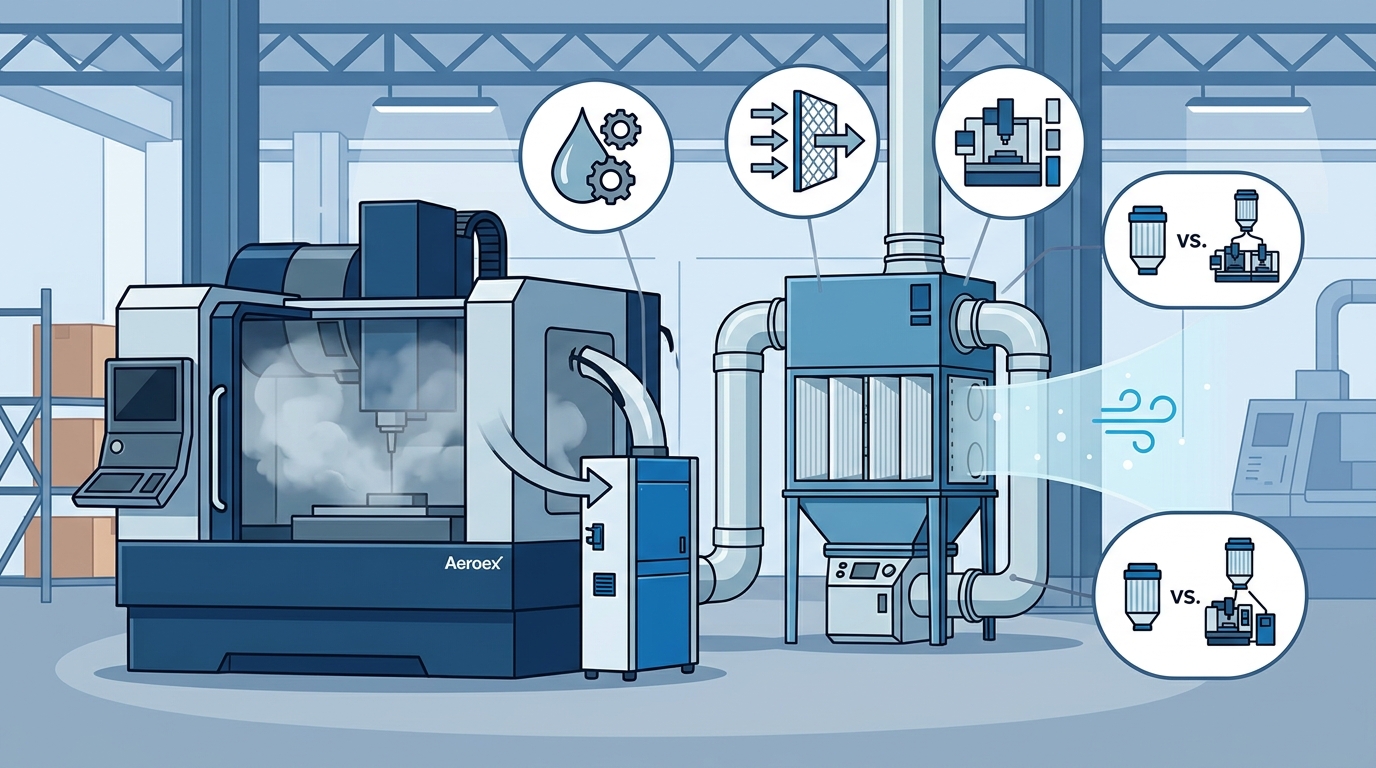
There are several filtration technologies available for industrial air purification. Each technology has its own strengths and weaknesses, and the choice of technology will depend on the specific contaminants and operational requirements of your facility.
Electrostatic Precipitation
Electrostatic precipitation uses an electric charge to remove particles from the air. This technology is highly effective for capturing fine particles and oil mist. It is often used in metalworking applications where high levels of oil mist are present.
Media Filtration
Media filtration uses physical barriers to capture particles from the air. This technology is commonly used for capturing larger particulates and dust. It is often used in conjunction with other filtration technologies to provide comprehensive air purification.
Activated Carbon Filtration
Activated carbon filtration is used to remove odors and volatile organic compounds (VOCs) from the air. This technology is essential for facilities that produce significant amounts of odorous fumes. It is often used in cleanroom applications where air purity is critical.
Comparing System Types
Industrial air filtration systems come in various forms, each designed for specific applications. Understanding the differences between these systems can help you make an informed decision.
| System Type | Best For | Key Features |
|---|---|---|
| Mist-Fit Collectors | Individual Machine Applications | Compact design, easy maintenance, high efficiency |
| ARO-X Systems | Centralized Air Purification | High airflow capacity, energy efficient, scalable |
| IRIS Series | Cleanrooms and Inspection Areas | Dual-stage filtration, odor control, high purity |
| BlowBox | Part Blow-Off Operations | Dual downdraft, captures hazardous mist, compact |
Key Selection Factors
When selecting an industrial air filtration system, there are several key factors to consider. These include the system's efficiency, maintenance requirements, energy consumption, and cost.
Filtration Efficiency
Filtration efficiency is a measure of how effectively a system removes contaminants from the air. Higher efficiency systems can capture smaller particles and provide better air quality. It is important to choose a system with an efficiency rating that meets your specific requirements.
Maintenance Requirements
Regular maintenance is essential for keeping air filtration systems operating at peak performance. Systems that are easy to maintain can reduce downtime and lower operational costs. Look for systems with accessible filters and simple cleaning procedures.
Energy Consumption
Air filtration systems can consume significant amounts of energy. Choosing an energy-efficient system can help reduce operational costs and minimize your environmental impact. Look for systems with variable frequency drives (VFDs) that adjust airflow based on demand.
Implementation and Maintenance
Proper implementation and maintenance are crucial for the long-term success of your air filtration system. This involves correct installation, regular monitoring, and timely replacement of filters.
Installation Best Practices
Installation should be performed by qualified professionals to ensure that the system is correctly positioned and connected. Proper installation can prevent issues such as air leaks and reduced efficiency. It is also important to ensure that the system is compatible with your existing machinery and infrastructure.
Monitoring and Maintenance
Regular monitoring of air quality and system performance can help identify issues before they become major problems. This includes checking filter pressure drops, monitoring airflow rates, and inspecting for signs of wear and tear. Timely maintenance can extend the life of your system and ensure consistent performance.
Key Takeaways
- Established in 2001: Aeroex Technologies began its journey in a modest 2,400-square-foot workshop in Barrie, Ontario.
- Expansion Milestone: The company relocated to a 7,000-square-foot facility in 2014 to accommodate growing demand.
- Product Evolution: The ARO line was introduced in 2015, featuring cutting-edge filtration technology and improved energy efficiency.
- Recent Innovation: The IRIS series, launched in 2020, combines MERV8/Carbon and HEPA filters for high-performance odor control.
- North American Reach: Aeroex serves over 1,000 manufacturing facilities across North America, ensuring reliable air quality solutions.
- U.S. Expansion: In 2025, Aeroex officially launched Aeroex U.S.A., marking a significant step in its international growth strategy.
- Core Values: The company operates on principles of quality, responsiveness, and continuous improvement to deliver superior customer experiences.
Frequently Asked Questions
What is the difference between oil mist collectors and central air purification systems?
Oil mist collectors are typically designed for individual machines or small groups of machines, capturing contaminants at the source. Central air purification systems are designed to filter air for an entire facility or large areas, providing comprehensive air quality management.
How often should industrial air filters be replaced?
The frequency of filter replacement depends on the type of contaminants, the volume of air being filtered, and the specific filter media. Generally, filters should be inspected regularly and replaced when they reach their maximum pressure drop or show signs of damage.
Can air filtration systems help with odor control?
Yes, certain air filtration technologies, such as activated carbon filtration, are specifically designed to remove odors and volatile organic compounds from the air. Systems like the IRIS series are particularly effective for odor control in cleanrooms and inspection areas.
What are the benefits of using variable frequency drives (VFDs) in air filtration systems?
VFDs allow the system to adjust its airflow based on real-time demand. This can significantly reduce energy consumption and extend the life of the filters by preventing unnecessary wear and tear.
How does Aeroex support its customers after installation?
Aeroex provides comprehensive customer support, including technical assistance, maintenance guidance, and access to a resource library. Their team is committed to ensuring that customers receive the best possible experience from initial consultation through ongoing service.
Is Aeroex available outside of Canada?
Yes, Aeroex serves manufacturing facilities across North America. With the launch of Aeroex U.S.A. in 2025, the company has expanded its reach to provide local support and solutions for U.S.-based manufacturers.
Contact Us
Ready to improve your facility's air quality? Contact Aeroex today to discuss your specific needs and explore our range of industrial air filtration solutions. Our team of experts is here to help you find the perfect system for your manufacturing environment.
Request a Quote or call us at 1-866-392-9222 to speak with a specialist.