
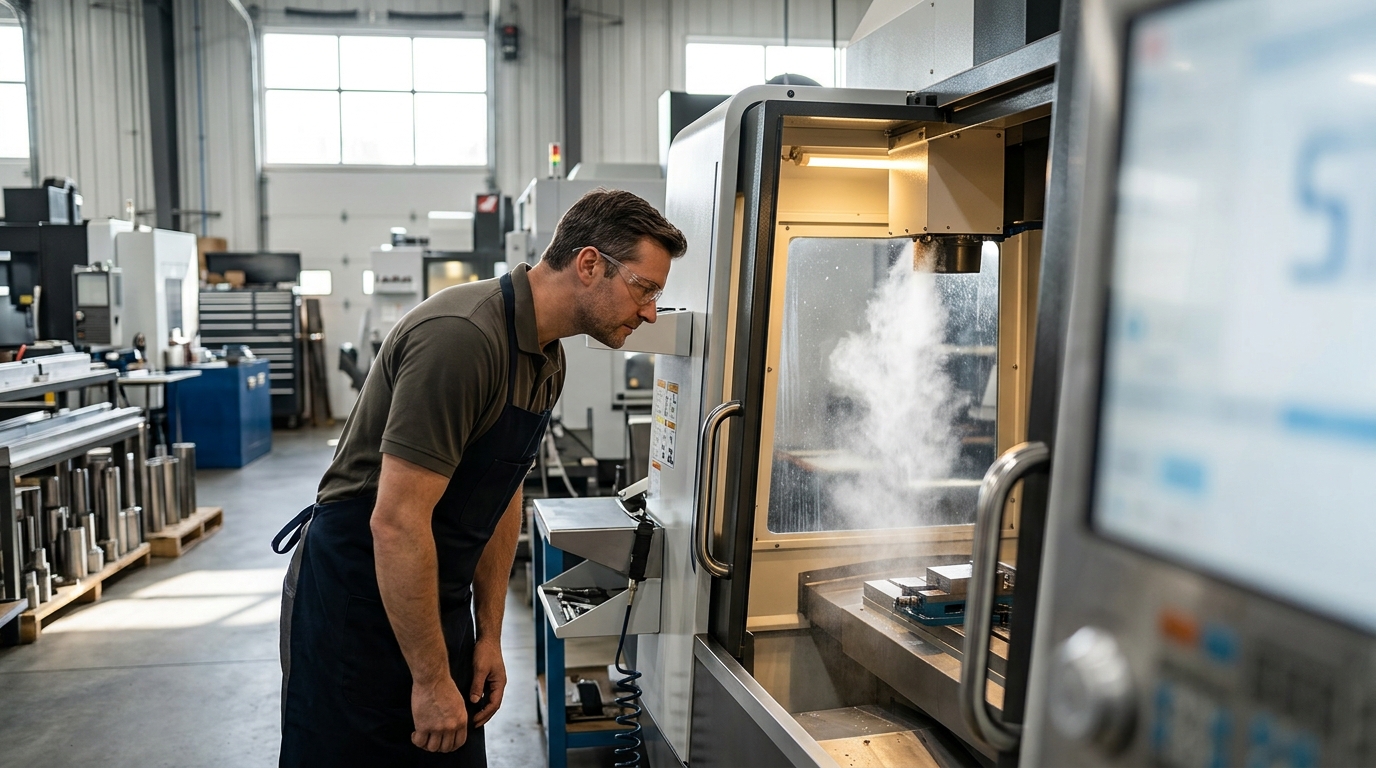
Industrial air quality is a critical operational metric for modern manufacturing facilities. OSHA regulations mandate strict adherence to airborne contaminant limits, making effective air purification non-negotiable for CNC machine shops. According to EPA guidelines, oil mist and metalworking fluid aerosols pose significant health risks, including respiratory irritation and long-term pulmonary damage. Facilities that fail to implement robust filtration systems face not only regulatory fines but also increased employee absenteeism and reduced machining precision due to environmental contamination.
Core Filtration Technology Explained
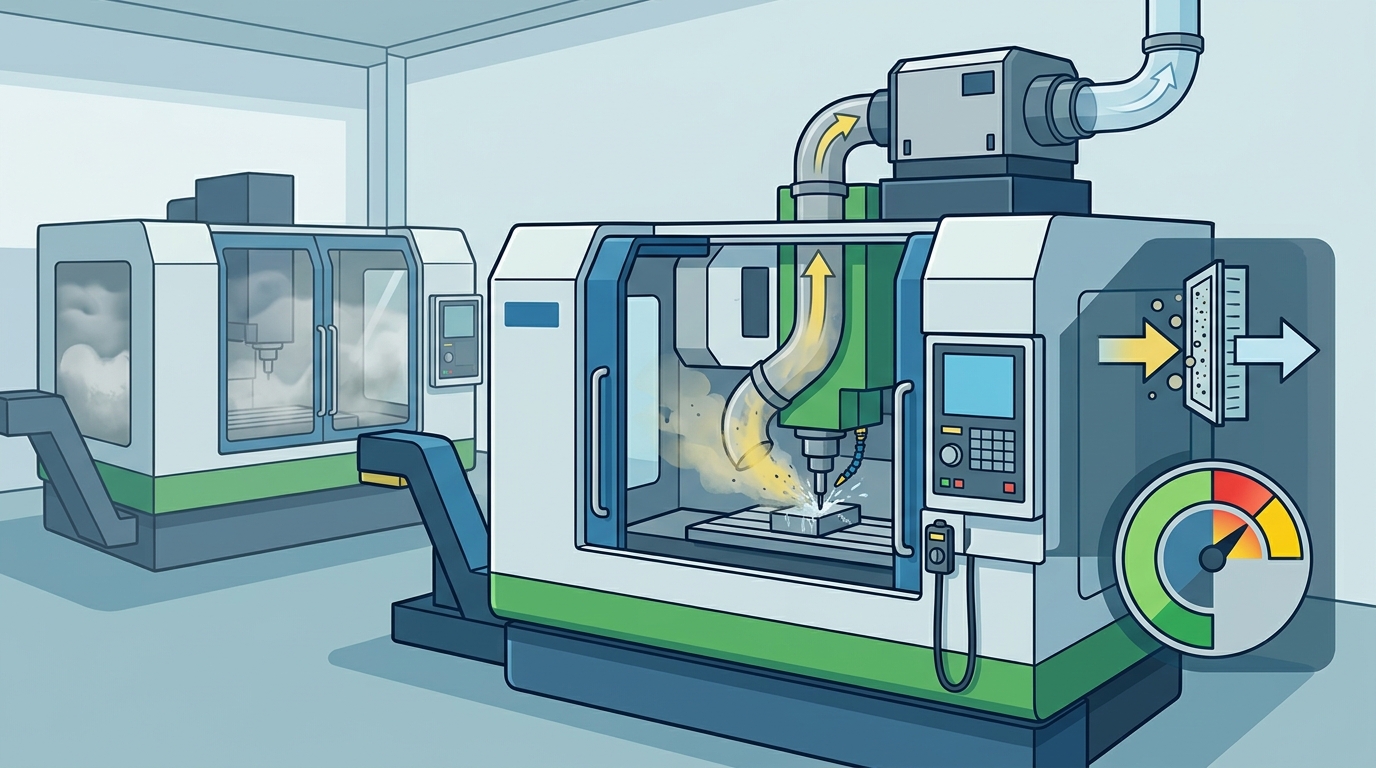
Understanding how mist collectors work is essential for selecting the right system for your CNC environment. The primary mechanism involves capturing hazardous aerosols before they disperse into the shop floor air. Oil mist collectors are devices that use mechanical separation or filtration media to remove liquid droplets from the air stream. This process prevents the buildup of slippery, flammable residues on machine surfaces and protects sensitive electronic components from corrosion.
Advanced systems utilize multi-stage filtration to address both particulate matter and gaseous odors. HEPA filtration is a high-efficiency particulate air filtration method that captures 99.97% of particles at 0.3 microns. When combined with activated carbon stages, these units can also neutralize volatile organic compounds (VOCs) generated during high-speed machining operations. This dual-action approach ensures compliance with WHO air quality standards for industrial workplaces.
The efficiency of these systems is often measured by their ability to maintain negative pressure within the capture zone. Electrostatic precipitators are filtration units that use electrical charges to attract and collect charged particles from the air. While effective for certain applications, mechanical filtration systems are often preferred in CNC environments due to their lower fire risk and reduced maintenance complexity. The choice between these technologies depends on the specific type of coolant and metal alloy being processed.
Comparing Aeroex Product Lines
Aeroex Technologies has established itself as a leader in industrial air purification since its founding in 2001. The company’s evolution from a small workshop in Barrie, Ontario, to a North American powerhouse reflects a deep commitment to engineering excellence and innovation. Their current product lineup addresses diverse machining needs, from individual machine shops to large-scale manufacturing plants.
The Mist-Fit series is designed for compact, direct-mount applications. These units attach directly to the CNC machine cabinet, capturing mist at the source before it can escape. This localized approach is highly effective for vertical machining centers and lathes where space is limited. The Mist-Fit units utilize progressive filtration technology, which extends filter life and reduces operational downtime. For facilities looking to explore Mist-Fit solutions, the focus is on minimal maintenance and maximum capture efficiency.
For larger facilities requiring centralized air handling, the ARO series offers robust performance. These units are engineered to handle high airflow volumes, making them suitable for open-bay machining environments. The ARO series incorporates variable frequency drives (VFDs) to adjust suction power based on real-time demand, optimizing energy consumption. This adaptability ensures that the system operates efficiently regardless of the number of machines running simultaneously. Data from Department of Energy efficiency reports highlights the significant cost savings associated with VFD-equipped industrial equipment.
The ROX series represents the legacy of high-performance filtration, known for its durability and reliability in harsh industrial conditions. While newer models have been introduced, the ROX line remains a benchmark for heavy-duty mist collection. Each product line is designed to meet the rigorous demands of metalworking, ensuring that operators breathe clean air and machines operate without contamination. The company’s commitment to quality and responsiveness is evident in their comprehensive support and installation services.
Mist-Fit vs. Centralized Systems
Selecting between individual machine collectors and centralized systems depends on the scale and layout of your facility. Individual collectors, such as the Mist-Fit, offer targeted protection and easier installation. They do not require extensive ductwork, which reduces initial capital expenditure and installation time. This makes them ideal for retrofitting existing CNC machines without disrupting production schedules.
Centralized systems, like the ARO series, are better suited for new facilities or major renovations. These systems use a network of ducts to draw air from multiple machines to a central filtration unit. While the initial investment is higher, centralized systems can offer lower long-term operating costs per machine due to economies of scale. The choice between these options should be guided by a thorough assessment of airflow requirements and facility architecture. Consulting with Aeroex experts can help determine the most cost-effective solution for your specific layout.
Another critical consideration is the type of coolant used in your machining processes. Water-based coolants produce different aerosol characteristics compared to oil-based fluids. Water-based coolants are emulsions that mix water with lubricating agents to reduce friction and heat during cutting. These systems require filters that are resistant to moisture and biological growth. Oil-based coolants, on the other hand, produce denser mist that requires more aggressive mechanical separation. Understanding these differences is crucial for maintaining filter integrity and preventing premature failure.
Maintenance and Operational Costs
Regular maintenance is the cornerstone of effective air purification. Neglected mist collectors can become sources of contamination rather than solutions. Filter replacement intervals vary based on the volume of machining and the type of material being processed. Filter replacement is the periodic process of removing saturated filtration media and installing new, clean units. Using high-quality filters ensures that the system maintains its rated efficiency over time.
Energy consumption is another significant operational cost. Modern mist collectors are designed to minimize power usage while maximizing capture efficiency. The use of VFDs allows the system to ramp down when machines are idle, reducing electricity bills. According to International Energy Agency data, industrial motors account for a substantial portion of global electricity consumption, making efficiency upgrades a priority for cost-conscious manufacturers.
Proper disposal of used filters is also a regulatory consideration. Filters saturated with oil mist and metal particles are classified as hazardous waste in many jurisdictions. Facilities must adhere to local environmental regulations when disposing of these materials. Aeroex provides guidance on filter handling and disposal to ensure compliance with EPA hazardous waste guidelines. This proactive approach helps facilities avoid fines and maintain a safe working environment.
Key Takeaways
- Aeroex was established in 2001 in Barrie, Ontario, evolving into a leading North American air purification provider.
- The Mist-Fit series offers compact, direct-mount solutions ideal for individual CNC machines and space-constrained environments.
- The ARO series utilizes Variable Frequency Drives (VFDs) to optimize energy consumption in large-scale industrial settings.
- HEPA filtration combined with activated carbon stages is essential for removing both particulate matter and volatile organic compounds.
- OSHA and EPA regulations strictly govern airborne contaminants, making compliance a critical operational requirement.
- Regular filter maintenance and proper hazardous waste disposal are necessary to avoid regulatory fines and ensure system efficiency.
- Aeroex U.S.A. expansion in 2025 marks a significant step in providing localized support and rapid deployment across the United States.
Frequently Asked Questions
What is the difference between oil mist and metalworking fluid aerosols?
Oil mist refers to the fine droplets of lubricating oil suspended in the air, while metalworking fluid aerosols include a broader range of particulates generated from the cutting process. Both require specialized filtration to prevent health hazards and equipment damage.
How often should I replace filters in my mist collector?
Filter replacement frequency depends on usage intensity and the type of coolant. Generally, filters should be inspected monthly and replaced when pressure drop exceeds manufacturer specifications or when visible saturation occurs.
Can a mist collector remove odors from the shop floor?
Yes, units equipped with activated carbon stages can effectively neutralize odors and volatile organic compounds. The IRIS series, for example, combines MERV8/Carbon primary filters with HEPA secondary filters for high-performance odor control.
Is it better to use individual collectors or a centralized system?
Individual collectors are better for retrofitting existing machines and localized capture. Centralized systems are more cost-effective for new facilities with multiple machines, offering streamlined maintenance and energy management.
What makes Aeroex mist collectors different from competitors?
Aeroex focuses on progressive filtration technology and compact designs that minimize maintenance. Their commitment to continuous improvement ensures that their systems adapt to the evolving needs of modern manufacturing.
Do you offer installation services for your products?
Yes, Aeroex provides comprehensive installation support to ensure optimal performance. Their team handles site visits, quoting, and professional installation to minimize downtime and maximize efficiency.
How does Aeroex ensure air quality compliance?
Aeroex designs its systems to meet or exceed OSHA and EPA standards for airborne contaminants. Their rigorous testing and quality control processes ensure that every unit delivers reliable air purification.
Secure Your Facility's Air Quality Today
Investing in the right mist collector is an investment in your workforce's health and your facility's operational efficiency. Don't let airborne contaminants compromise your production quality or regulatory standing. Contact Aeroex Technologies today to schedule a site visit and receive a customized quote for your CNC machining needs. Explore our product catalog to find the perfect solution for your environment.