
How Industrial Air Filtration Systems Capture and Remove Factory Dust at the Source
Industrial facilities generate significant airborne particulate matter daily, with data showing that uncontrolled dust can reduce indoor air quality by up to 50% in heavy manufacturing zones. According to the Occupational Safety and Health Administration (OSHA), exposure to hazardous airborne contaminants remains a leading cause of long-term respiratory illness among factory workers. Effective source capture is not merely a compliance checkbox; it is a critical operational necessity that protects workforce health and preserves machinery integrity. This guide details the engineering principles behind industrial air purification and how targeted systems like those offered by Aeroex eliminate contaminants before they spread.
Understanding Source Capture Principles
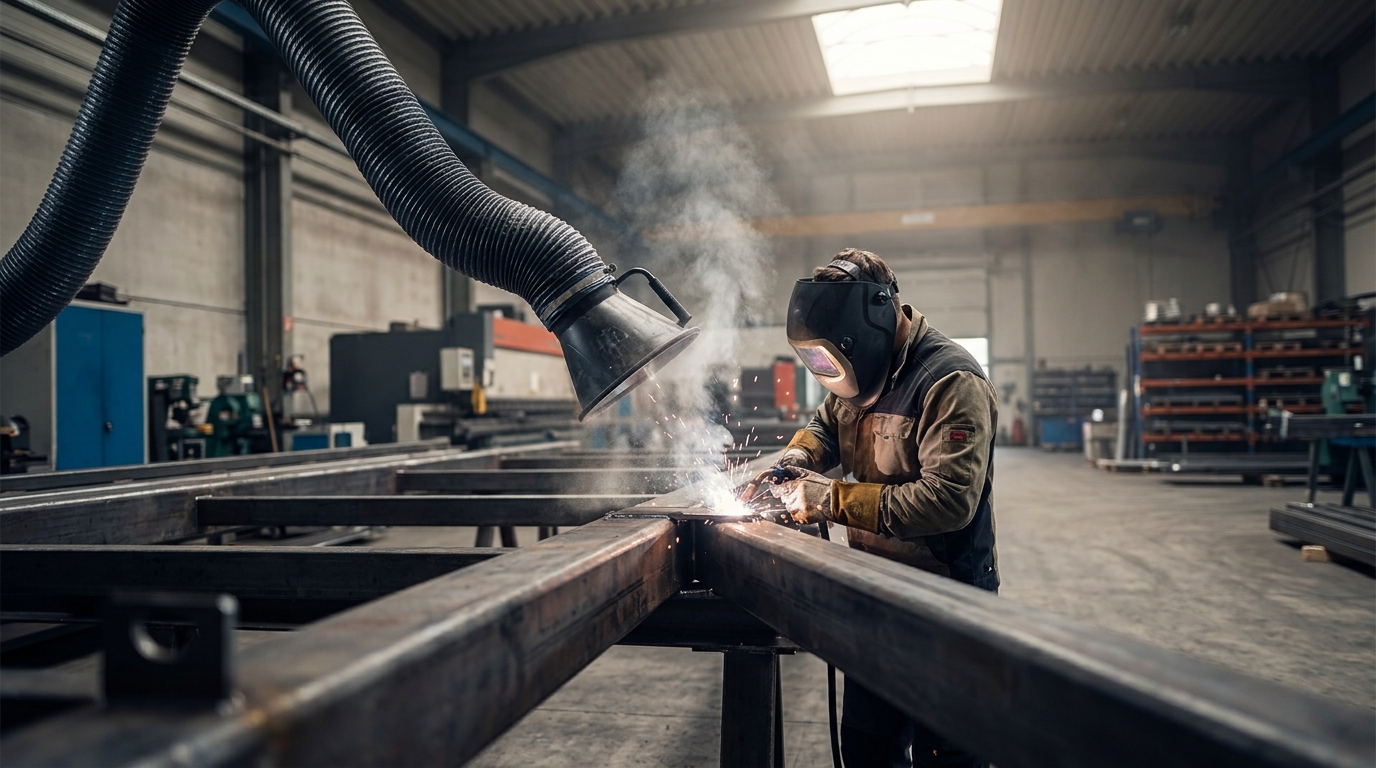
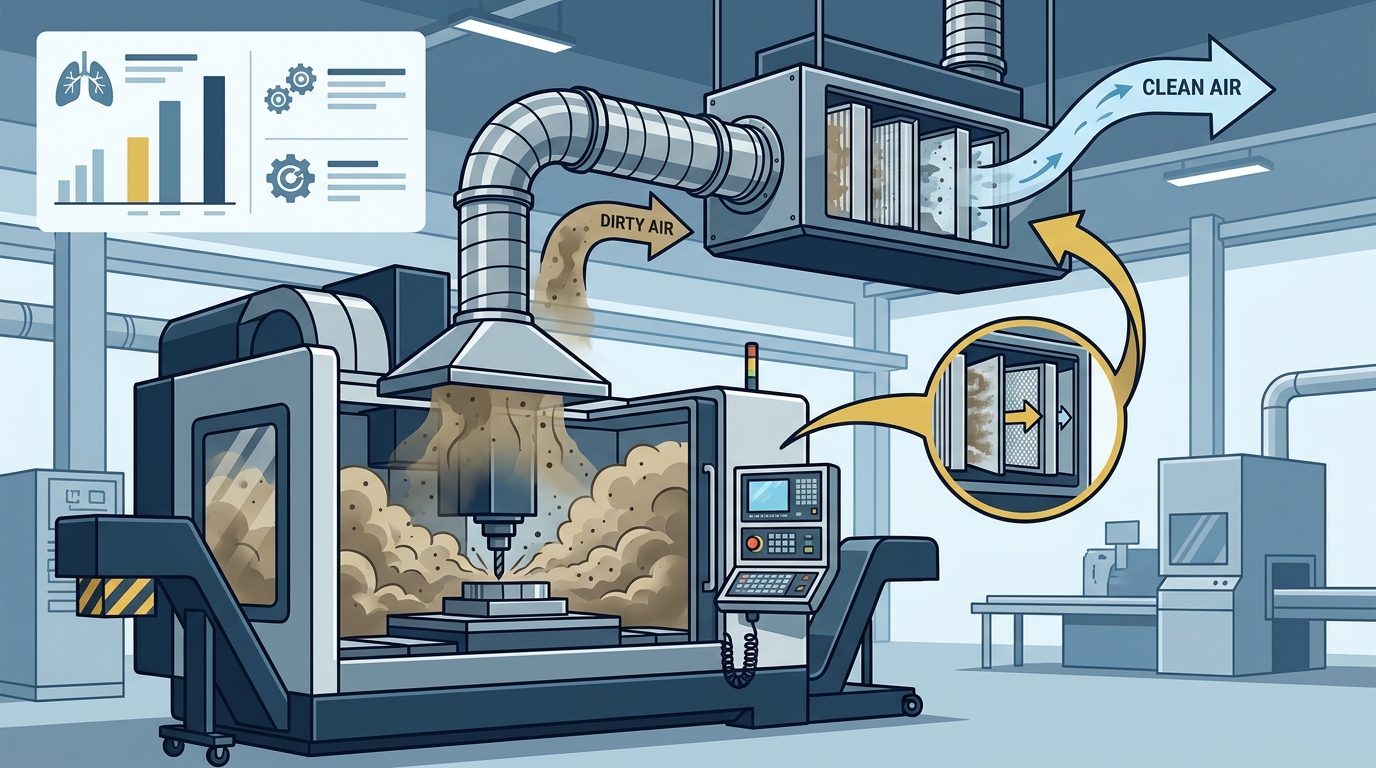
The most effective way to manage industrial dust is to intercept it at the point of generation. General ventilation systems often fail to address this because they rely on diluting contaminants with fresh air rather than removing them entirely. Source capture utilizes high-velocity airflow to pull particles away from the operator's breathing zone immediately after they are created.
Oil mist collectors are a primary example of this technology. These units use centrifugal force or coalescing filters to separate liquid droplets from the air stream. When a CNC machine or grinding tool operates, it releases a cloud of fine mist. A properly positioned capture arm or hood draws this mist directly into the collector, preventing it from settling on equipment or entering the general facility air.
For dry particulates like metal shavings or wood dust, specialized blow-off stations such as the Blow Box provide targeted extraction. These systems use dual downdraft technology to capture hazardous mist and dust during part cleaning, ensuring that the air remains clear even during high-volume production cycles. This approach aligns with the core values of responsiveness and innovation that define modern industrial safety standards.
Core Filtration Mechanisms
Once contaminants are captured, the filtration system must separate them from the air stream with high efficiency. The effectiveness of this process depends on the type of filter media and the airflow dynamics within the unit.
Coalescing Filtration is the standard for oil mist removal. In this process, air passes through a series of baffles and filter elements that force tiny oil droplets to collide and merge into larger drops. Gravity then pulls these larger drops to the bottom of the collector for collection and potential reuse. This method is highly efficient for removing harmful particles that are typically less than one micron in size.
HEPA and Carbon Filtration are essential for dry particulates and odor control. High-Efficiency Particulate Air (HEPA) filters can trap 99.97% of particles at 0.3 microns. When combined with activated carbon, these systems also adsorb volatile organic compounds (VOCs) and odors. The IRIS series utilizes a dual-stage system combining a MERV8/Carbon primary filter with a HEPA secondary filter, making it ideal for cleanrooms and inspection areas where air purity is paramount.
Understanding these mechanisms is vital for selecting the right equipment. Industrial air purification is not a one-size-fits-all solution. The choice between a mist collector and a general air purifier depends on the specific type of particulate generated by your machinery.
Comparing Mist Collectors and Air Purifiers
Selecting the correct technology requires a clear understanding of the contaminants present in your facility. Below is a comparison of Aeroex's primary product lines to help you determine the best fit for your operational needs.
| Product Line | Primary Application | Key Technology | Ideal Facility Type |
|---|---|---|---|
| Maverick | Heavy-duty oil mist removal | High-efficiency coalescing filters | CNC machining centers, grinding operations |
| Mist-Fit | Compact mist collection | Progressive filtration, minimal maintenance | Small workshops, individual machine stations |
| ARO-X | General industrial air purification | Advanced multi-stage filtration | Large manufacturing floors, assembly lines |
| Blow Box | Part blow-off and dust capture | Dual downdraft extraction | Quality control stations, inspection rooms |
| IRIS | Odor and fine particulate control | HEPA + Carbon dual-stage | Cleanrooms, medical device manufacturing |
Each of these systems addresses a specific gap in industrial air quality management. For instance, the Mist-Fit is designed for compact designs with progressive filtration, making it perfect for facilities with limited space but high mist generation. Conversely, the ARO-X line offers improved energy efficiency for larger-scale operations.
Strategic Installation Strategies
Even the most advanced filtration system will fail if installed incorrectly. Proper placement is critical to ensure that the capture zone effectively intersects with the contaminant plume.
Proximity to Source is the most important factor. The capture device should be as close to the point of generation as possible without interfering with machine operation. For CNC machines, this often means mounting the collector directly to the machine or using a flexible capture arm that follows the tool path.
Airflow Velocity must be calibrated to the specific application. Too little velocity will allow contaminants to escape the capture zone. Too much velocity can create turbulence that pulls contaminants away from the filter or damages delicate components. Aeroex provides engineered solutions that include site visits and custom quoting to ensure optimal airflow dynamics for each unique facility.
Ductwork Design also plays a role in efficiency. Smooth, straight runs with minimal bends reduce pressure drop and maintain consistent airflow. Regular inspection of ductwork for leaks or blockages is essential to maintain system performance over time.
Maintenance and Operational Efficiency
Industrial air filtration systems require regular maintenance to operate efficiently. Neglected filters can become saturated, leading to reduced airflow and increased energy consumption. In some cases, clogged filters can cause the system to shut down entirely, halting production.
Filter Replacement schedules depend on the volume of contaminants and the type of filter used. Coalescing filters for oil mist may last several months, while HEPA filters in cleanrooms may require more frequent changes. Aeroex offers comprehensive resource library content and customer support to help facilities determine the right maintenance intervals.
System Monitoring is another key aspect of efficiency. Many modern collectors include pressure drop indicators that signal when filters need replacement. Regular monitoring of these indicators can prevent unexpected downtime and ensure consistent air quality.
Furthermore, proper maintenance extends the life of the equipment. Clean filters reduce the strain on motors and fans, leading to lower repair costs and longer system lifespan. This aligns with Aeroex's commitment to continuous improvement and customer experience.
Key Takeaways
- Source capture is more effective than general ventilation for removing factory dust and mist at the point of generation.
- Aeroex has been a trusted North American air purification expert since its establishment in 2001.
- The Mist-Fit series offers compact, high-performance mist collection for individual machines.
- The IRIS series combines HEPA and Carbon filtration for superior odor and particulate control.
- Proper installation proximity to the source is critical for effective contaminant capture.
- Regular maintenance of filters and ductwork ensures long-term system efficiency and compliance.
- Aeroex operates from a 15,000-square-foot workshop in Barrie, Ontario, serving clients across North America.
Frequently Asked Questions
What is the difference between oil mist collectors and general air purifiers?
Oil mist collectors use coalescing filters to separate liquid droplets from the air, while general air purifiers use HEPA and carbon filters to trap dry particulates and odors. The choice depends on the type of contaminants generated in your facility.
How often do I need to replace filters in an industrial air filtration system?
Filter replacement frequency depends on the volume of contaminants and the type of filter. Coalescing filters may last several months, while HEPA filters may require more frequent changes. Regular monitoring of pressure drop indicators is recommended.
Can Aeroex provide a custom solution for my specific facility?
Yes, Aeroex offers engineered solutions that include site visits and custom design to meet the unique needs of each manufacturing environment.
What areas does Aeroex serve?
Aeroex serves manufacturing facilities across North America, with a strong presence in Canada and the United States. The company recently launched Aeroex U.S.A. to better support its growing client base.
Is industrial air filtration necessary for small machine shops?
Yes, even small machine shops generate hazardous mist and dust that can affect air quality and equipment longevity. Compact solutions like the Mist-Fit are designed specifically for smaller spaces.
How does source capture improve worker health?
Source capture removes contaminants before they enter the worker's breathing zone, reducing the risk of respiratory issues and long-term health problems associated with exposure to industrial dust and mist.
What is the Blow Box used for?
The Blow Box is a compact, dual downdraft blow-off station that captures hazardous mist and dust during part blow-off with compressed air, ideal for inspection and quality control areas.
Does Aeroex offer customer support for maintenance?
Yes, Aeroex provides outstanding customer service, including quotes for filter replacements and technical support to ensure your system operates efficiently.
Secure Your Clean Air Solution
Protect your workforce and optimize your production environment with advanced industrial air filtration. Aeroex offers tailored solutions for every manufacturing challenge, from heavy-duty mist collection to precision cleanroom purification. Contact the Aeroex team today to request a quote or schedule a site visit. Visit contact to get started.