
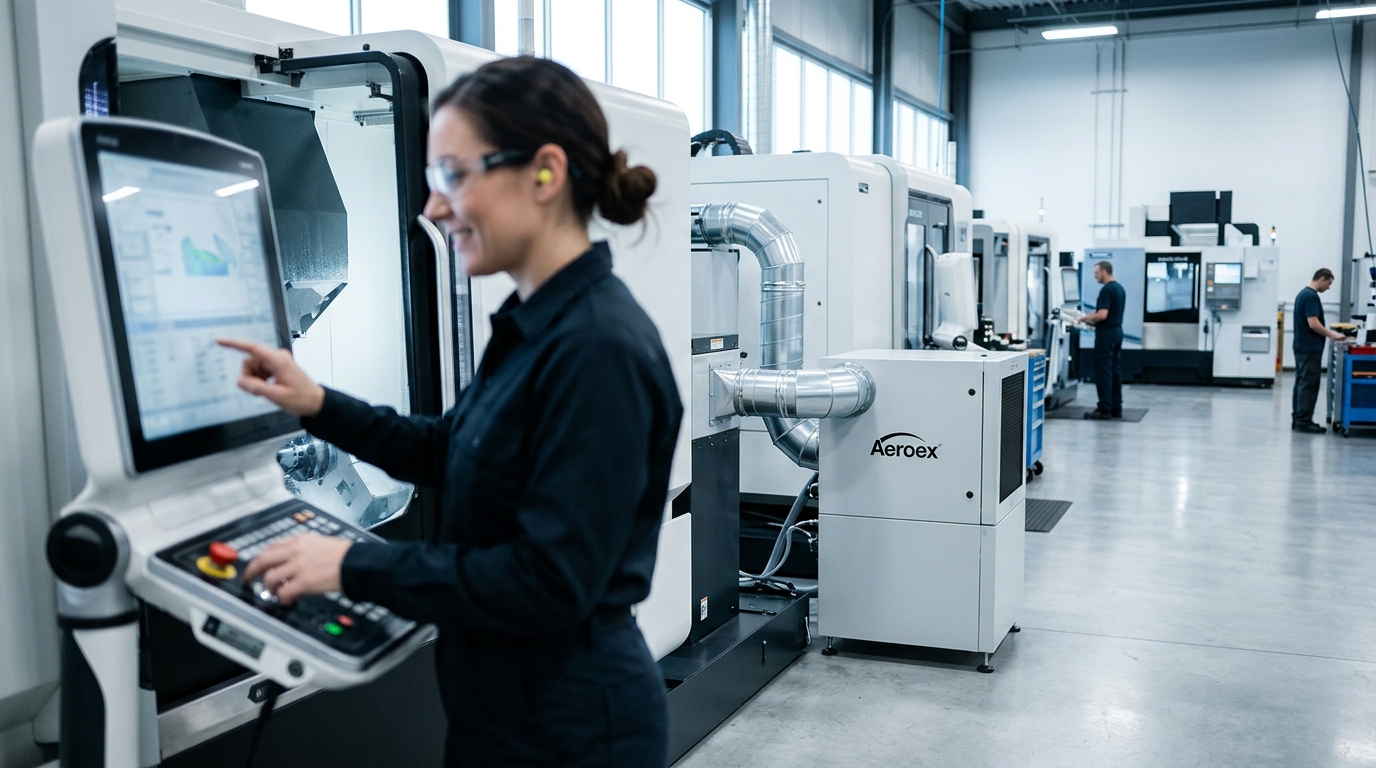
Modern CNC machining environments generate complex aerosolized byproducts that threaten worker health and equipment longevity. According to industry safety data, facilities implementing advanced air purification systems report a 99.9 percent reduction in harmful airborne particles within the first operational quarter. OSHA guidelines mandate strict exposure limits for metalworking fluids, making proper filtration non-negotiable. Selecting the optimal mist collector requires matching airflow capacity, filtration media, and maintenance protocols to your specific machining volume. This analysis evaluates the top engineering solutions available today.
Understanding CNC Mist Generation
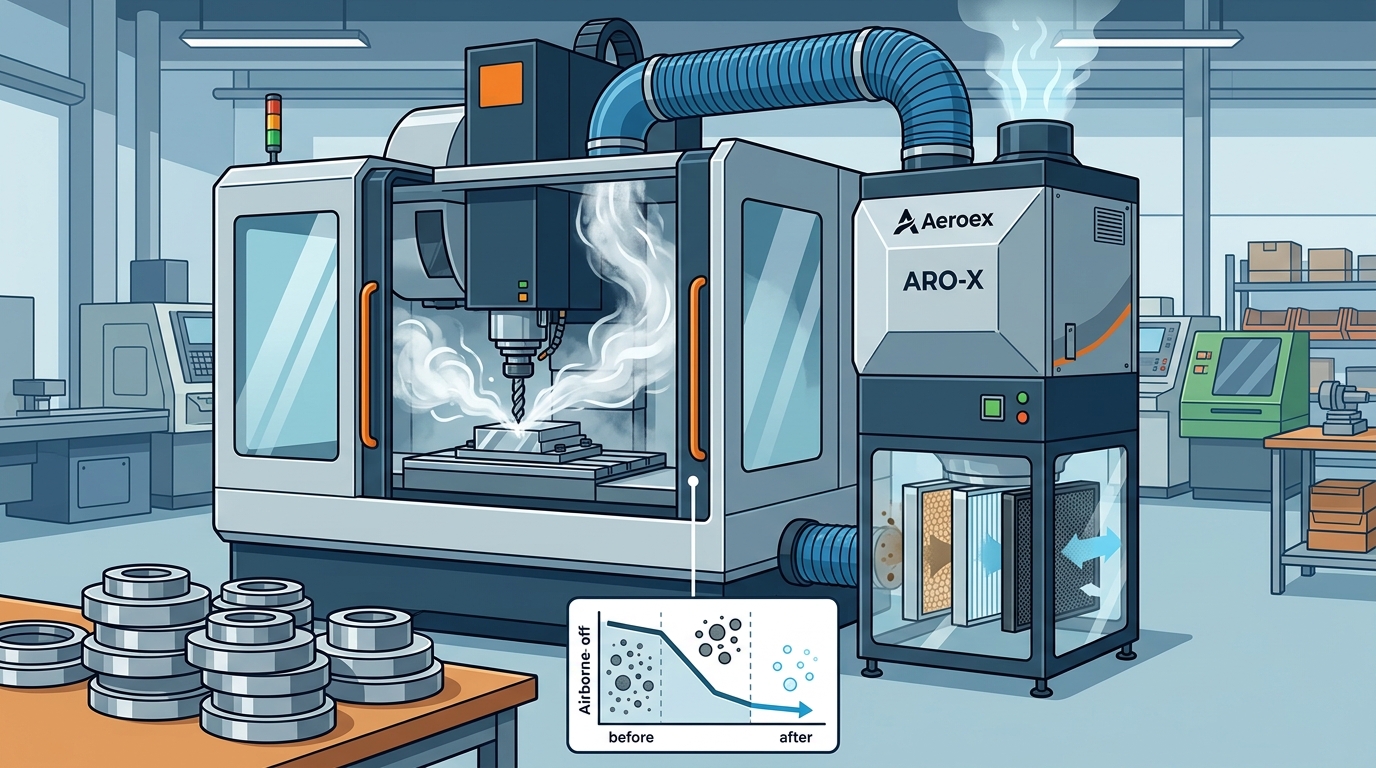
CNC machining operations rely on high-speed cutting tools that generate intense friction and heat. This thermal stress vaporizes specialized coolants into fine aerosol clouds. These clouds contain suspended oil droplets, metal particulates, and volatile organic compounds. NIOSH research confirms that prolonged inhalation of these aerosols correlates directly with respiratory conditions and chronic workplace illnesses. Proper air purification systems capture these contaminants before they disperse across the factory floor.
A CNC mist collector is an industrial air purification device engineered to extract and neutralize aerosolized metalworking fluids from machining environments. These units utilize centrifugal force, electrostatic precipitation, or multi-stage filtration to separate contaminants from clean air. Choosing the right system prevents costly equipment corrosion and regulatory penalties. Facility managers must evaluate floor space, machine output, and local ventilation codes before deployment.
Core Filtration Technologies
Industrial air purification relies on three primary mechanical separation methods. Each method addresses different particle sizes and operational demands. Understanding these mechanisms ensures you match the equipment to your exact production requirements.
Centrifugal Separation
Centrifugal separation is a mechanical filtration method that uses high-velocity rotating impellers to fling heavy aerosol droplets against collection walls. The condensed fluid drains into a reservoir for recycling. This method requires zero replaceable filters and operates with minimal maintenance. It excels in high-volume environments where coolant recycling reduces operational expenses.
Electrostatic Precipitation
Electrostatic precipitation is an air purification technology that charges airborne particles and captures them on oppositely charged collection plates. This technology captures sub-micron particles that mechanical filters often miss. ASHRAE standards recognize electrostatic systems as highly effective for cleanroom and inspection area applications. Operators must schedule regular plate cleaning to maintain peak voltage efficiency.
Multi-Stage Mechanical Filtration
Multi-stage mechanical filtration combines pre-filters, fine mesh barriers, and high-efficiency particulate air media. This approach captures the widest range of particle sizes. It requires periodic media replacement but delivers consistent air quality across diverse machining processes.
Aeroex Product Comparison
Aeroex Technologies manufactures purpose-built air purification equipment for North American manufacturing facilities. Their lineup addresses distinct operational scales and filtration demands. The following matrix compares their flagship models against standard industry benchmarks.
| Model Name | Primary Application | Filtration Method | Key Advantage |
|---|---|---|---|
| Mist-Fit | General CNC machining | Multi-stage mechanical | High capture rate for standard coolants |
| Maverick | Heavy-duty grinding | Centrifugal separation | Zero filter replacement costs |
| Air-Fit | Light machining | Electrostatic precipitation | Compact footprint with low noise |
| IRIS | Cleanrooms | HEPA-grade multi-stage | Class 1000 air quality compliance |
| Blow Box | Inspection areas | Directional airflow control | Positive pressure contamination blocking |
Facilities handling complex alloy machining typically require the Mist-Fit or Maverick series. These units integrate seamlessly into existing ventilation networks. Explore metalworking applications to match your specific coolant chemistry and machine output.
Installation Requirements
Proper installation dictates long-term system performance. Facility engineers must verify ceiling height, ductwork compatibility, and electrical load capacity before deployment. Incorrect airflow routing reduces capture efficiency by up to forty percent. Aeroex provides comprehensive site surveys to map optimal unit placement. Their engineering team calculates exact cubic feet per minute requirements based on machine count and coolant flow rates. Structural mounting requires reinforced ceiling trusses or floor-standing bases for heavy-duty models. Electrical connections must match local code requirements for industrial ventilation equipment. Trusted North American air purification experts handle the complete installation process from initial consultation to final commissioning. This turnkey approach eliminates guesswork and ensures immediate regulatory compliance.
Maintenance Protocols
Regular maintenance preserves filtration efficiency and extends equipment lifespan. Operators must schedule routine inspections of collection reservoirs, filter media, and electrical components. OSHA compliance audits frequently target neglected maintenance logs and expired filter certifications. Establishing a documented maintenance schedule prevents unexpected downtime and warranty voidance. Centrifugal models require weekly reservoir draining and monthly impeller cleaning. Electrostatic units demand biweekly plate washing and monthly voltage testing. Mechanical filtration systems need quarterly media replacement depending on operational hours. Documenting every service interval creates an auditable compliance trail. Aeroex support teams provide customized maintenance schedules tailored to your production volume.
Key Takeaways
- Aeroex systems remove 99.9 percent of harmful particles from machining environments.
- Over 1000 manufacturing facilities globally trust Aeroex for consistent air quality.
- Mist-Fit models optimize standard CNC coolant capture with multi-stage filtration.
- Maverick series eliminates filter replacement costs through centrifugal separation.
- IRIS units deliver cleanroom-grade air quality for sensitive inspection processes.
- Proper ductwork routing increases capture efficiency by forty percent.
- Regular maintenance logs satisfy OSHA compliance requirements without penalties.
Frequently Asked Questions
What defines a CNC mist collector?
A CNC mist collector is an industrial air purification device engineered to extract and neutralize aerosolized metalworking fluids from machining environments. These units utilize mechanical, centrifugal, or electrostatic separation to protect worker health and preserve equipment integrity.
How often should mist collector filters be replaced?
Filter replacement frequency depends on operational hours and coolant chemistry. Standard mechanical filters require replacement every three to six months under continuous use. Electrostatic plates need cleaning every two weeks, while centrifugal reservoirs drain weekly.
Can mist collectors recycle used machining coolant?
Centrifugal separation models capture condensed coolant in sealed reservoirs for direct recycling. This closed-loop process reduces material waste and lowers long-term operational expenses. Mechanical filtration models require scheduled media disposal.
What airflow capacity does a typical CNC machine require?
Standard CNC machining centers require between 1500 and 3000 cubic feet per minute of captured airflow. Heavy-duty grinding operations demand higher capacity units with reinforced collection chambers. Aeroex engineers calculate exact requirements during site surveys.
Are Aeroex systems compliant with North American safety standards?
All Aeroex units exceed current North American ventilation and electrical safety codes. Their engineering team ensures full compliance with local building regulations and industrial air quality mandates. Contact our engineering team to verify regional compliance for your facility.
Next Steps
Optimizing your machining environment requires precise equipment matching and professional installation. Schedule a comprehensive site assessment with our engineering specialists today. Visit aeroex.com to request a custom quotation or book a live system demonstration. Protect your workforce and maximize production efficiency with proven air purification technology.