
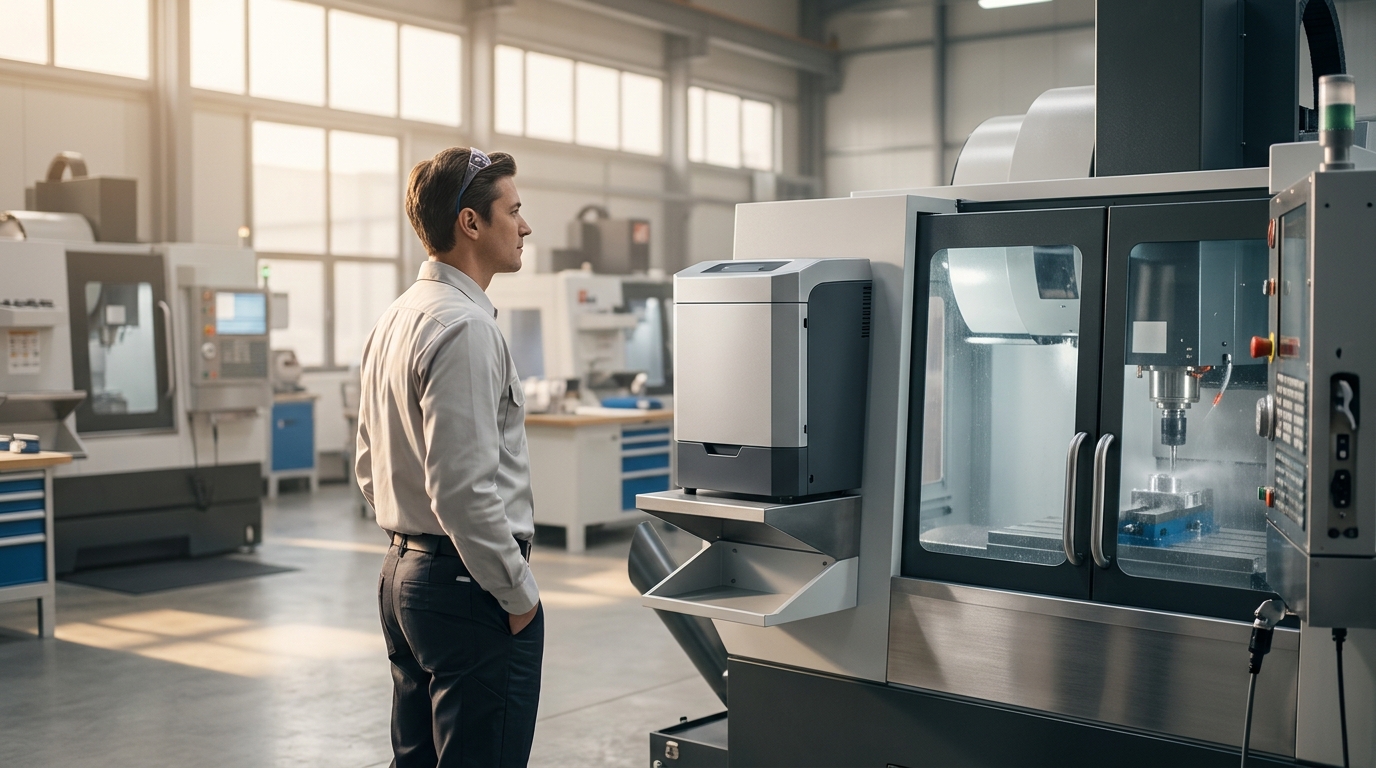
Selecting the Right Industrial Air Filtration System for Your Factory Needs
Industrial air quality is no longer just a compliance checkbox; it is a critical operational metric. According to recent industry data, effective air purification systems can remove 99.9% of harmful particles from manufacturing environments, directly impacting worker health and equipment longevity. For facility managers in North America, choosing the correct technology is a complex decision that balances filtration efficiency, energy consumption, and maintenance costs. This guide provides a definitive framework for evaluating industrial air purification solutions, with a focus on the proven methodologies used by leading manufacturers like Aeroex.
Understanding Your Specific Filtration Needs
Before evaluating hardware, you must define the contaminant profile of your facility. Industrial air filtration is not a one-size-fits-all solution. The type of particulate matter, its size, and its concentration dictate the necessary filtration stage and airflow capacity.
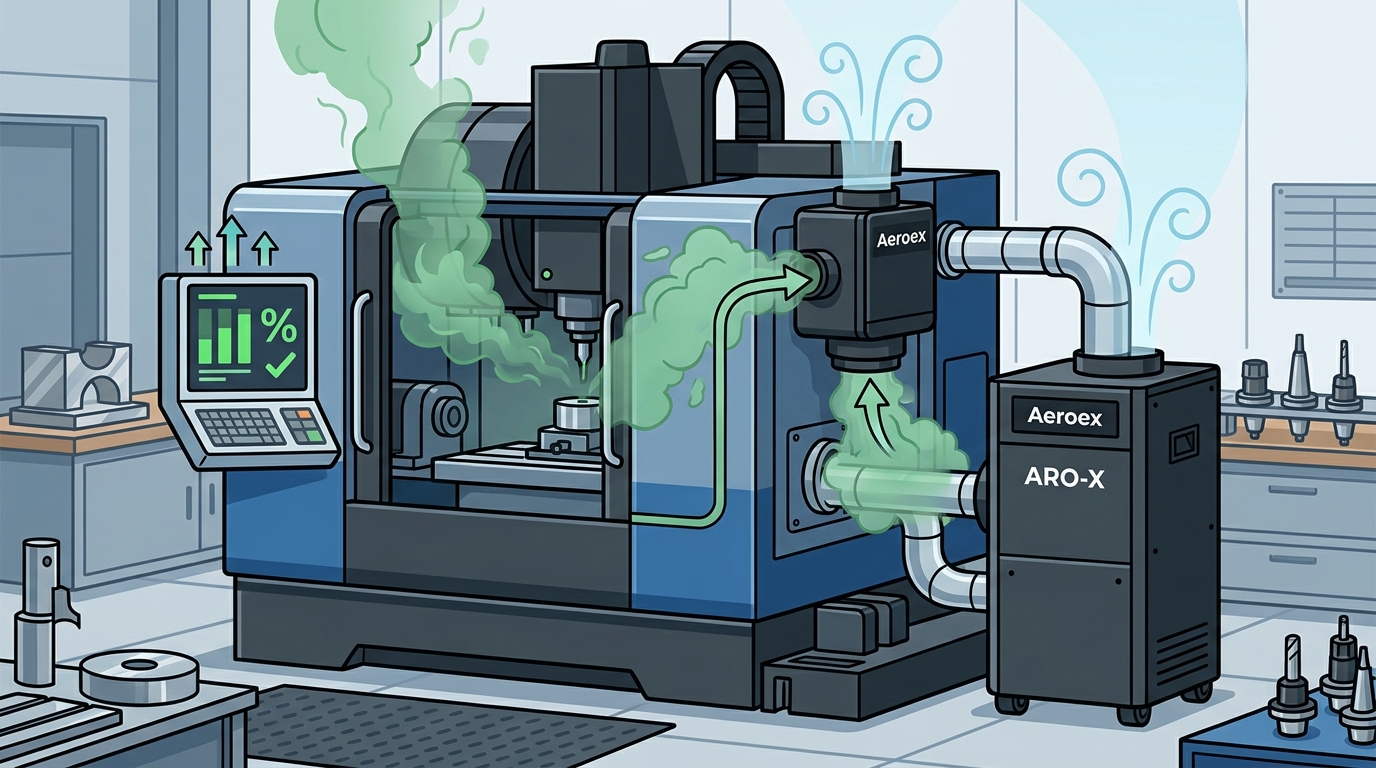
Metalworking Mist is a dense aerosol of oil or water-based coolants generated during machining processes. This mist creates visibility issues, respiratory hazards, and slippery floor conditions. It requires high-efficiency coalescing filtration to separate liquid droplets from the air stream.
Welding Fumes consist of fine metallic oxides and gases. These particles are often sub-micron in size, requiring HEPA-grade filtration to capture them effectively. Without proper extraction, these fumes can lead to serious long-term health issues for operators.
General Dust and Debris from cutting, grinding, or packaging operations require robust pre-filtration stages to protect downstream HEPA filters from premature clogging. Understanding your primary contaminant allows you to select a system that operates efficiently without over-engineering the solution.
Core Filtration Technologies Explained
Industrial air purification relies on several distinct technologies. Each serves a specific purpose in the multi-stage filtration process.
Coalescing Filtration is a process where fine mist droplets are forced through a dense media, causing them to merge into larger droplets that fall out of the air stream due to gravity. This is the primary method for removing oil mist in CNC machining environments.
HEPA Filtration is a high-efficiency particulate air filter that captures 99.97% of particles at 0.3 microns. It is essential for cleanrooms, inspection areas, and any environment requiring ultra-clean air standards.
Activated Carbon Filtration is an adsorption process that removes volatile organic compounds (VOCs) and odors. It is often used as a secondary stage to ensure the exhaust air meets strict environmental regulations.
For a deeper understanding of how these technologies integrate, you can explore the Metalworking Mist Collectors designed for heavy-duty machining applications.
Comparing Industrial Solutions: ARO-X vs. Mist-Fit
Choosing between centralized and localized filtration depends on your facility layout and production volume. Aeroex offers distinct product lines tailored to these needs.
| Feature | ARO-X Series | Mist-Fit Series | Blow Box |
|---|---|---|---|
| Primary Application | Large-scale facility air purification | Compact machine-level mist removal | Part blow-off capture |
| Filtration Stage | Multi-stage (Coalescing + HEPA) | Progressive coalescing | Dual downdraft capture |
| Installation Type | Centralized or ducted | Direct machine mount | Integrated station |
| Ideal For | CNC shops with multiple machines | Single machine or small cells | Quality inspection prep |
The ARO-X series is engineered for high-volume environments, providing robust air purification for entire workshops. In contrast, the Mist-Fit series offers a compact, cost-effective solution for individual machines, ensuring that mist is captured at the source before it can disperse.
Key Selection Criteria for Factory Integration
When evaluating systems, consider the following operational factors:
1. Airflow Capacity (CFM)
The system must handle the volume of air generated by your machinery. Undersized units will fail to maintain negative pressure or clear contaminants effectively. Consult with engineering experts to calculate the required cubic feet per minute (CFM) based on your machine specs.
2. Energy Efficiency
Variable Frequency Drives (VFDs) allow the filtration system to adjust motor speed based on demand. This reduces energy consumption and extends filter life. Systems equipped with VFDs, such as those available in the ARO-X lineup, offer significant long-term savings.
3. Maintenance Accessibility
Choose units with easy-access filter replacement mechanisms. Downtime for maintenance should be minimized. The Mist-Fit units are designed for minimal maintenance, allowing operators to service them quickly without specialized tools.
4. Regulatory Compliance
Ensure the system meets local environmental regulations for exhaust air quality. In North America, this often involves meeting OSHA and EPA standards for airborne contaminants. Aeroex systems are designed to help facilities meet rigorous air quality standards efficiently.
Maintenance and Lifecycle Cost Analysis
The total cost of ownership (TCO) includes initial purchase, installation, energy, and maintenance. While initial costs vary, the longevity of the filtration media is a key differentiator.
High-quality coalescing filters can last significantly longer than standard alternatives, reducing the frequency of replacements. Furthermore, proper pre-filtration extends the life of HEPA filters. Aeroex provides a Resource Library with detailed maintenance guides and technical specifications to help you plan your lifecycle costs.
Regular monitoring of pressure drops across filters is essential. A sudden increase in pressure drop indicates clogging, while a decrease may indicate filter bypass. Implementing a predictive maintenance schedule ensures consistent air quality and prevents unexpected failures.
Key Takeaways
- 99.9% Efficiency: Advanced industrial air purification systems can remove 99.9% of harmful particles, protecting worker health and equipment.
- Trusted by Industry: Aeroex is trusted by over 1000+ manufacturing facilities globally for its reliable air purification solutions.
- Product Diversity: Solutions range from the centralized ARO-X to the compact Mist-Fit and specialized Blow Box stations.
- North American Presence: With operations in Barrie, Canada, and a new U.S. expansion, Aeroex provides localized support and rapid service.
- Energy Savings: Utilizing VFDs in filtration systems can significantly reduce energy consumption and extend filter life.
- Compliance Focus: Proper air filtration is critical for meeting OSHA and EPA regulations in industrial environments.
- Custom Engineering: Aeroex offers Engineered Solutions for unique facility challenges.
Frequently Asked Questions
What is the difference between coalescing and HEPA filtration?
Coalescing filtration captures liquid aerosols like oil mist by merging small droplets into larger ones. HEPA filtration captures solid particulates and fine dust. Most industrial systems use both stages for comprehensive air purification.
How often should industrial air filters be replaced?
Filter replacement frequency depends on the contaminant load and airflow. Generally, pre-filters may need replacement every 3-6 months, while coalescing filters can last 1-2 years. Regular pressure drop monitoring is the best indicator.
Can Aeroex systems handle welding fumes?
Yes, Aeroex offers specialized solutions for welding fumes, including the Air-Fit series, which is designed for high-efficiency capture of fine metallic particulates.
What is the Blow Box used for?
The Blow Box is a compact, dual downdraft station that captures hazardous mist during part blow-off with compressed air. It is ideal for quality inspection areas where clean parts are required.
Does Aeroex provide custom engineering services?
Yes, Aeroex specializes in Engineered Solutions for complex applications, including cleanrooms and inspection areas, ensuring tailored air purification strategies.
How does Aeroex support U.S. customers?
Aeroex has expanded into the United States with Aeroex U.S.A., providing localized support, rapid response times, and dedicated service teams for North American clients.
What industries benefit most from Aeroex products?
Key industries include metalworking, CNC machining, automotive manufacturing, and pharmaceutical cleanrooms. These sectors require strict air quality control to ensure product integrity and worker safety.
Ready to Improve Your Factory Air Quality?
Don't let poor air quality compromise your production efficiency or employee health. Contact the experts at Aeroex today to discuss your specific needs. Our team is ready to provide a customized solution that fits your facility's unique requirements.
Request a Quote or call us at 1-866-392-9222 to schedule a site visit and consultation.