
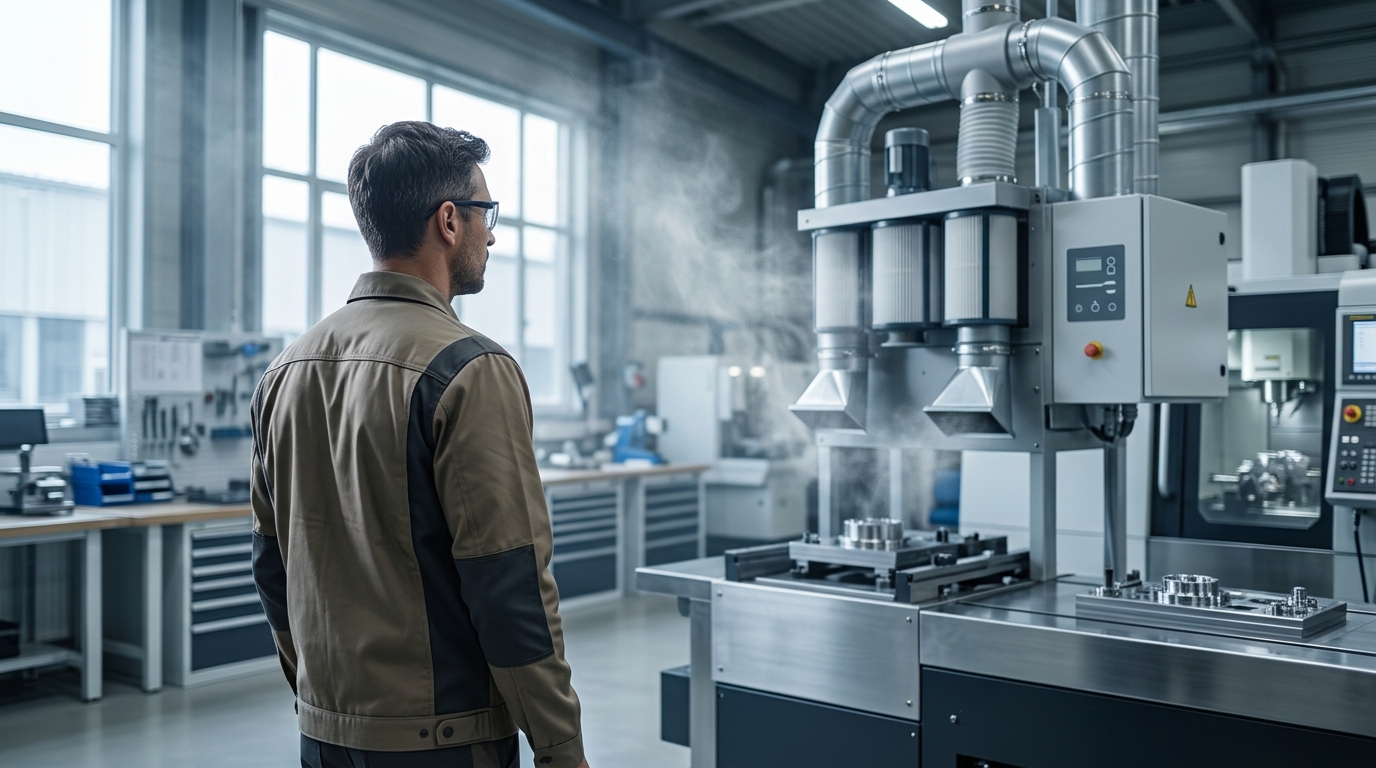
Industrial air quality management is no longer a secondary concern but a primary operational imperative. According to recent environmental compliance reports, manufacturing facilities that implement advanced air purification systems see a measurable reduction in workplace health liabilities and equipment maintenance costs. The global industrial air filtration market is projected to expand significantly through 2030, driven by stricter regulatory frameworks and the increasing complexity of modern manufacturing processes. Selecting the right bespoke system requires a rigorous evaluation of technical specifications, operational integration, and long-term total cost of ownership. This guide outlines the critical standards and criteria necessary for making informed decisions in industrial air purification.
Understanding Industrial Air Filtration Standards
Before diving into specific product selections, it is vital to understand the foundational standards that govern industrial air quality. Industrial air filtration refers to the process of removing contaminants such as oil mist, smoke, fumes, and particulate matter from the air within a manufacturing environment. These systems are designed to protect both personnel health and sensitive machinery from degradation.
One of the most critical metrics in this field is the HEPA filter standard. A HEPA filter is a high-efficiency particulate air filter that removes at least 99.97% of particles at 0.3 microns in diameter. This standard is particularly relevant for cleanrooms and inspection areas where even microscopic contaminants can compromise product quality. Another essential concept is the MERV rating, which stands for Minimum Efficiency Reporting Value. MERV rating is a scale used to measure the effectiveness of air filters by testing the filter's ability to capture particles from 0.3 to 10 microns in size. Higher MERV ratings indicate greater filtration efficiency, though they may also increase air resistance.
Regulatory bodies such as OSHA (Occupational Safety and Health Administration) and NIOSH (National Institute for Occupational Safety and Health) set permissible exposure limits for various industrial contaminants. Facilities must ensure their air purification systems can consistently keep airborne particle concentrations below these thresholds. Failure to comply can result in significant fines, operational shutdowns, and severe health risks for workers. Therefore, selecting a system that not only meets but exceeds these standards is crucial for long-term operational success.
Key Selection Criteria for Bespoke Systems
Choosing a bespoke air filtration system involves evaluating several technical and operational factors. There is no one-size-fits-all solution in industrial environments. Each facility has unique airflow requirements, contaminant types, and spatial constraints. The following criteria should form the basis of your selection process.
1. Contaminant Type and Particle Size
The first step is identifying the specific contaminants present in your facility. Are you dealing with oil mist from CNC machining, welding fumes, or chemical vapors? The type of contaminant dictates the filtration media required. For instance, oil mist collectors often use coalescing filters to capture liquid droplets, while dry particulate filters are better suited for smoke and dust. Understanding the particle size distribution is equally important. Smaller particles require higher efficiency filters and potentially different airflow velocities to ensure effective capture.
2. Airflow Capacity and Static Pressure
Airflow capacity, measured in cubic feet per minute (CFM), determines how much air the system can process. Static pressure refers to the resistance the fan must overcome to move air through the filter media and ductwork. A system with insufficient CFM will fail to capture contaminants effectively, while one with excessive static pressure may struggle to maintain airflow. It is essential to calculate the required CFM based on the volume of the space and the number of air changes per hour (ACH) needed to maintain air quality.
3. Energy Efficiency and Operational Costs
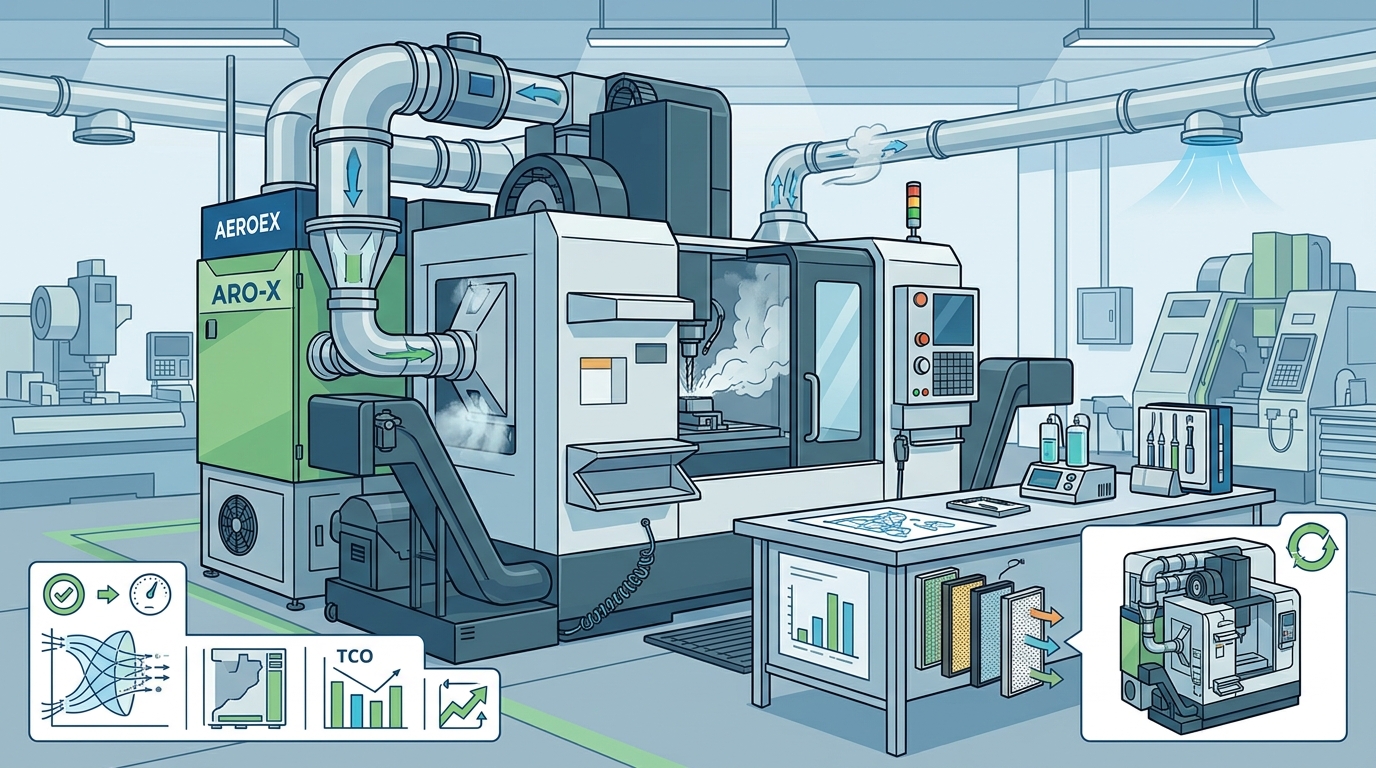
Industrial air filtration systems operate continuously, making energy consumption a significant factor in total cost of ownership. Systems equipped with Variable Frequency Drives (VFDs) can adjust motor speed based on real-time demand, reducing energy usage during low-load periods. Additionally, the lifespan of filter media impacts maintenance costs. Filters that require frequent replacement increase operational downtime and labor expenses. Evaluating the energy efficiency rating and filter longevity is crucial for budgeting.
4. Spatial Constraints and Installation Flexibility
Many manufacturing facilities have limited floor space or overhead clearance. Bespoke systems must be designed to fit within these constraints without compromising performance. Compact designs, such as those offered by the Mist-Fit series, are ideal for machine-integrated applications where space is at a premium. Conversely, large-scale central systems may require dedicated mechanical rooms. The ability to customize ductwork and mounting options ensures seamless integration into existing infrastructure.
Comparing Aeroex Filtration Solutions
Aeroex Technologies has established itself as a leader in industrial air purification since its founding in 2001. With a history of innovation and a commitment to quality, Aeroex offers a range of products tailored to specific industrial needs. Understanding the differences between these solutions helps in selecting the right system for your facility.
| Product Line | Primary Application | Key Features | Ideal For |
|---|---|---|---|
| Maverick | Heavy-duty oil mist collection | High-capacity filtration, robust construction | Large CNC machine shops and heavy manufacturing |
| Mist-Fit | Compact machine-integrated filtration | Space-saving design, easy maintenance | Individual CNC machines and tight workspaces |
| Blow Box | Part blow-off mist capture | Dual downdraft, captures mist during cleaning | Quality inspection and part cleaning stations |
| Air-Fit | General air purification | Multi-stage filtration, odor control | General workshop air quality improvement |
| IRIS | High-efficiency cleanroom filtration | HEPA secondary filter, MERV8/Carbon primary | Cleanrooms, inspection areas, and sensitive environments |
Each of these product lines addresses specific challenges in industrial air quality. For example, the IRIS series is particularly effective for applications requiring high-performance odor control and particulate removal, making it suitable for cleanrooms. Meanwhile, the Mist-Fit line offers top performance in compact designs, ideal for facilities with space constraints. Understanding these distinctions ensures that you select a system that aligns with your operational requirements.
Installation and Integration Standards
Proper installation is critical to the performance of any air filtration system. Poor installation can lead to air leaks, reduced efficiency, and increased noise levels. The following standards should guide the installation process.
1. Site Assessment and Engineering
Before installation, a comprehensive site assessment should be conducted. This includes evaluating the layout of the facility, identifying contaminant sources, and determining optimal placement for the filtration units. Engineering drawings and airflow simulations can help visualize the system's impact on the workspace. Aeroex provides engineered solutions that include detailed site visits and custom design proposals to ensure optimal performance.
2. Ductwork and Airflow Dynamics
Ductwork design must minimize pressure drops and ensure even distribution of airflow. Sharp bends, excessive lengths, and undersized ducts can hinder performance. Using smooth, flexible ducting materials can reduce turbulence and improve efficiency. Additionally, ensuring that the ductwork is properly sealed prevents air leaks that can compromise the system's ability to capture contaminants.
3. Electrical and Control Integration
Modern air filtration systems often include advanced control systems for monitoring and adjustment. These systems may interface with building management systems (BMS) for centralized control. Ensuring proper electrical connections and grounding is essential for safety and reliability. Training facility staff on the operation and maintenance of these control systems is also crucial for long-term success.
Maintenance and Regulatory Compliance
Regular maintenance is essential to keep air filtration systems operating at peak efficiency. Neglecting maintenance can lead to filter clogging, reduced airflow, and increased energy consumption. Furthermore, non-compliance with regulatory standards can result in legal and financial penalties.
1. Filter Replacement and Inspection
Filters should be inspected regularly for signs of wear, damage, or clogging. The frequency of replacement depends on the type of filter, the level of contamination, and the operating hours. Aeroex offers resource library materials and technical support to help facilities determine optimal replacement schedules. Using genuine replacement parts ensures that the system maintains its designed efficiency and performance.
2. Monitoring and Data Logging
Implementing a monitoring system that tracks airflow, pressure differentials, and filter status can provide valuable insights into system performance. Data logging allows for predictive maintenance, enabling facilities to address issues before they become critical. This proactive approach minimizes downtime and extends the lifespan of the filtration equipment.
3. Regulatory Reporting and Audits
Facilities must maintain records of maintenance activities, filter replacements, and air quality measurements to demonstrate compliance with regulatory standards. Regular audits by internal or third-party experts can identify areas for improvement and ensure that the facility remains compliant with evolving regulations. Staying informed about changes in OSHA, EPA, and local environmental regulations is essential for ongoing compliance.
Key Takeaways
- Contaminant Identification: Accurately identifying the type and size of contaminants is the first step in selecting the right filtration media.
- HEPA Standards: HEPA filters remove 99.97% of particles at 0.3 microns, critical for cleanroom and high-purity applications.
- Aeroex Heritage: Aeroex has been a trusted North American air purification expert since 2001, with a history of innovation in industrial filtration.
- Product Specialization: Different Aeroex products, such as the Maverick and IRIS, serve distinct industrial needs from heavy-duty mist collection to high-efficiency cleanroom filtration.
- Energy Efficiency: Systems with VFDs and high-efficiency motors reduce long-term operational costs and energy consumption.
- Regulatory Compliance: Adhering to OSHA and NIOSH standards is non-negotiable for workplace safety and legal compliance.
- Proactive Maintenance: Regular filter inspection and data-driven maintenance prevent downtime and ensure consistent air quality.
Frequently Asked Questions
What is the difference between a HEPA filter and a MERV filter?
A HEPA filter is a high-efficiency particulate air filter that removes at least 99.97% of particles at 0.3 microns. A MERV rating is a scale measuring the effectiveness of air filters for particles between 0.3 and 10 microns. HEPA filters generally offer higher efficiency than standard MERV filters.
How often should industrial air filters be replaced?
The frequency of replacement depends on the type of filter, the level of contamination, and the operating hours. Regular inspection is recommended to determine the optimal replacement schedule based on pressure drop and visual condition.
Can Aeroex provide custom air filtration solutions?
Yes, Aeroex specializes in engineered solutions tailored to specific industrial needs. Their team conducts site assessments and designs custom systems to address unique air quality challenges.
What are the benefits of using VFDs in air filtration systems?
Variable Frequency Drives (VFDs) allow the motor speed to adjust based on real-time demand. This reduces energy consumption during low-load periods and extends the lifespan of the motor and filter media.
Is Aeroex available in the United States?
Yes, Aeroex has expanded its operations to the United States through Aeroex U.S.A., providing comprehensive air purification solutions across North America.
What types of contaminants do Aeroex systems remove?
Aeroex systems are designed to remove a wide range of contaminants, including oil mist, welding fumes, smoke, dust, and chemical vapors, depending on the specific product line and filtration media used.
How does Aeroex ensure product quality?
Aeroex is committed to quality through rigorous testing, use of high-grade materials, and adherence to industry standards. Their core values emphasize excellence, reliability, and continuous improvement in all products.
Contact Aeroex for Custom Solutions
Selecting the right bespoke air filtration system is a critical decision that impacts your facility's safety, efficiency, and compliance. By understanding the essential standards and criteria outlined in this guide, you can make an informed choice that meets your specific operational needs. Aeroex Technologies offers a comprehensive range of industrial air purification solutions, backed by decades of expertise and a commitment to customer excellence.
For personalized assistance, site assessments, or to request a quote for your specific application, contact the Aeroex team today. Visit our Contact Us page to connect with our experts and discover how Aeroex can help you achieve superior air quality in your manufacturing environment.